
Digital Marketing for Small Businesses
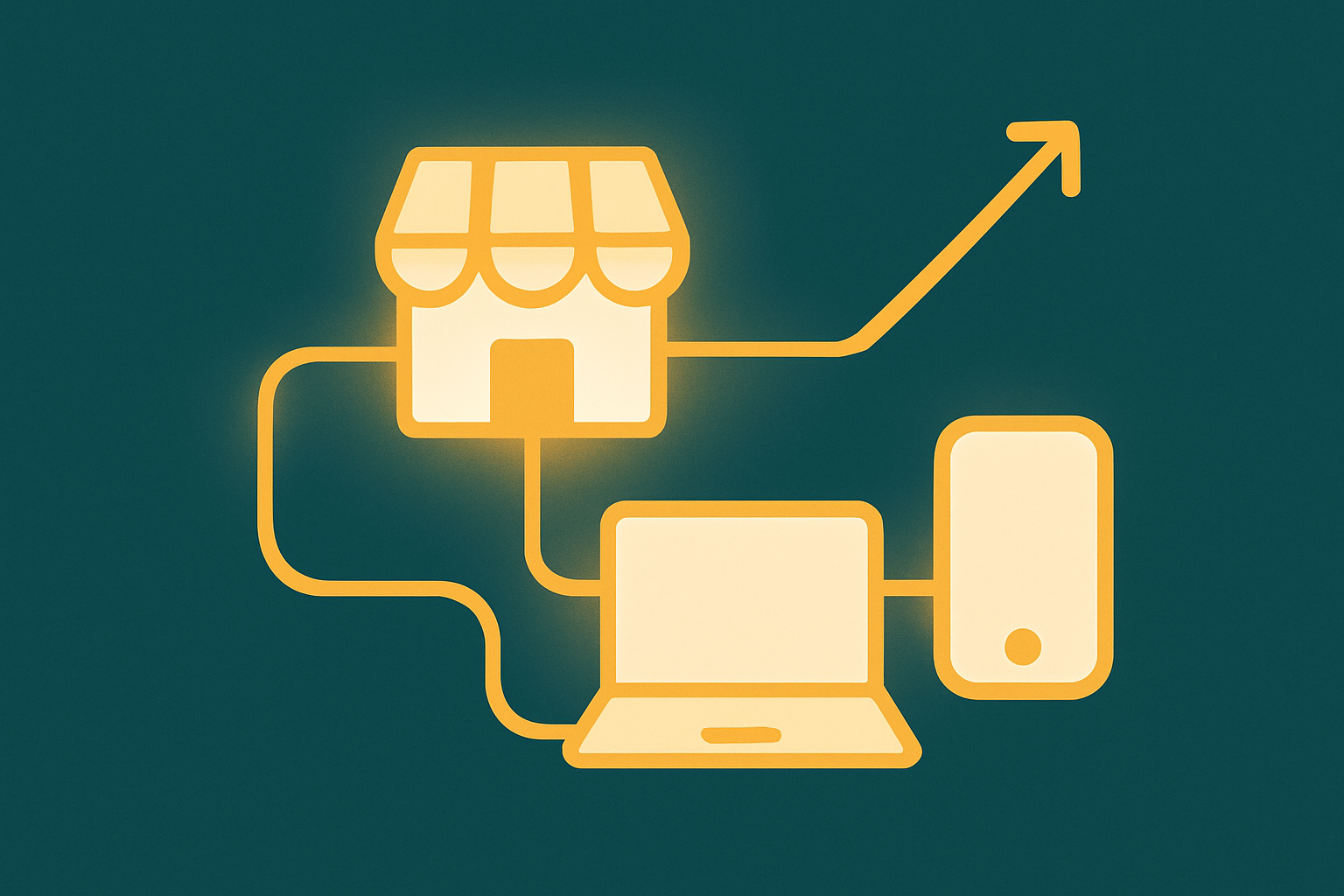
Digital marketing for small businesses is no longer a luxury, it's a lifeline. A small business used to need a huge budget to reach customers; now with a phone and a smart plan you can compete with the big players. But many waste time and money working without a system. In this guide you'll understand digital marketing step by step in a practical way that suits your small business and limited budget, without complexity.
What is digital marketing?
Digital marketing is every marketing effort done via the internet: social media, search engines, email, and the website. Simply, it's reaching your customers where they spend their time — online. The difference from traditional marketing is that it's cheaper, more precise in targeting, and measurable. You can know exactly what each pound you spent brought you, which makes it ideal for small budgets.
Why is it essential for small businesses?
Your potential customers now search for products and services online before buying. If you're not present digitally, you simply don't exist to them. Digital marketing gives your small business presence, credibility and reach that were impossible without it. And most importantly: it lets you compete with bigger businesses on a far smaller budget, because intelligence and creativity beat spending size.
The small business advantage
As a small business owner you have advantages the big ones don't: flexibility, closeness and authenticity. You can reply to your customer yourself, change your plan fast, and build a personal relationship that's impossible for big companies. People love to support small businesses with real humans behind them. Use your closeness and authenticity as a marketing weapon, because it's what sets you apart from the cold big competitor.
Start with clear goals
Before anything, ask: what do you want to achieve? Brand awareness? Website visits? Sales? Inquiry messages? A clear goal determines all your decisions afterward. Marketing without a goal is like walking with no destination — you move but don't arrive. Set one or two main goals per period, and let all your effort flow into them instead of scattering in every direction.
Know your audience
Successful marketing starts from understanding who your customer is: their age, interests, problems, and where they spend their time online. The more you understand your audience, the more you can reach them with a message that touches them. Don't try to reach everyone, focus on your ideal customer. When you know exactly who you're talking to, everything else (content, platform, message) becomes easier, clearer and more effective.
Choose your channels wisely
The biggest mistake is trying to be everywhere. It scatters your effort and exhausts you. Choose 1–2 channels where your audience is and master them before expanding. If your audience is young, it's Instagram and TikTok; if business, it's LinkedIn. Read the choosing a platform guide to focus your limited effort in the right place instead of spreading and failing.
Social media is the heart of marketing
For small businesses, social media is often the strongest and cheapest channel. It gives you free reach, direct engagement with your customers, and a chance to build a community around your brand. It's not just an ad space, it's a relationship space. Regular presence and genuine engagement on social build trust that converts to sales. Make it the foundation of your digital plan, and build the other channels around it.
Content is king
Digital marketing runs on content. Useful or entertaining content is what attracts people and builds trust before you ask them to buy. Instead of saying "buy from me" all the time, offer value that makes the customer trust you and choose you. Good content works for you 24 hours, attracting customers while you sleep. Invest in content that benefits your audience, and it will return customers to you.
Content marketing
Content marketing means attracting your customers with valuable content instead of annoying direct ads. Articles, videos, tips, and explainers that solve your audience's problems. This builds you as an expert in your field, so the customer trusts you and buys from you naturally. Tie your content to an organized plan as we explained in the monthly content plan guide so it comes out cohesive and continuous.
Local marketing
If your business serves a specific area (a restaurant, clinic, store), local marketing is gold. Use Google Maps, local hashtags, and content that addresses your area. The customer geographically close to you is the closest to buying. Focus your effort on reaching people in your geographic range instead of scattering on a distant audience that won't visit you. Local brings actual customers who walk into your place.
Paid ads on a small budget
You don't need a huge budget to advertise. Social platforms let you target your audience precisely for a small amount. Start with a simple budget, target precisely, and test what works before increasing. Smart paid ads complement free content and speed your reach. Read about the difference between organic and paid to balance them right.
Email marketing
Email is one of the cheapest, strongest and highest-return marketing channels. Collect your customers' and interested people's emails, and send them value and offers regularly. Unlike social, your email list is yours and no one can take it from you. Email builds a direct relationship with your customers and brings them back to buy again. Start collecting emails early even if your business is small.
Measure everything
The best thing about digital marketing is that it's measurable. Track your numbers: how much you reached, how much engaged, how many visited your site, how many bought. The numbers show you what works so you repeat it and what wastes your money so you stop it. Data-based decisions save your time and money. Read the social metrics guide to measure right.
Use tools and AI
As a small business owner, your time is precious. Marketing tools and AI save you hours: they generate content, schedule, analyze, and run everything from one place. Go Social AI tools are built Arabic-first to help small businesses market professionally with the least time and effort. AI scales your capabilities and lets you compete above your size.
Common digital marketing mistakes
- Trying to be on every platform at once.
- Marketing without a clear goal or measurement.
- Direct selling all the time without offering value.
- Not knowing the target audience precisely.
- Giving up early before results appear.
Patience and consistency are the secret
Digital marketing doesn't bring results overnight. Building an audience, trust and presence takes time, and most who fail give up early before the fruits appear. Stick to your plan and continue even if results are slow at first. Digital growth accelerates over time like a snowball. Regular consistency beats temporary enthusiasm that fades after weeks.
Learn from your data and competitors
The two best learning sources: your numbers and your competitors. Review your data regularly to know what works for you, and watch your successful competitors to draw inspiration on what works in your field. Don't copy literally, learn and develop in your style. The market teaches you every day if you watch and analyze. Continuous learning is what makes your marketing improve month after month instead of staying in place.
Conclusion
Digital marketing gives your small business the power to compete with the big ones: start with clear goals, know your audience, choose your channels wisely, offer valuable content, and measure everything. Use your flexibility and closeness as a small business, and let Go Social AI help you run all your marketing professionally from one place. Start free and launch.
Related articles

Level Up Your Brand: Innovative In-Game Marketing Strategies for 2024
Discover how in-game marketing has evolved beyond traditional ads into immersive brand experiences. This guide explores strategies, market insights, and future trends for brands looking to connect with gamers effectively in 2024, especially within the Arab world.
Hook Your Audience: Crafting Irresistible Content from the First Second
Discover how to captivate your audience from the very first second with engaging content strategies. Learn to craft compelling titles, use visuals effectively, employ storytelling, and leverage interactive elements to make your content irresistible.
Micro-Influencers: Your Budget-Friendly Path to Marketing Success
Discover how micro-influencer marketing can transform your brand's reach and engagement, even with a limited budget. Learn to identify the right influencers, craft effective campaigns, and measure your success for lasting impact.