
Food Photography for Social Media: Pro Tips With Your Phone
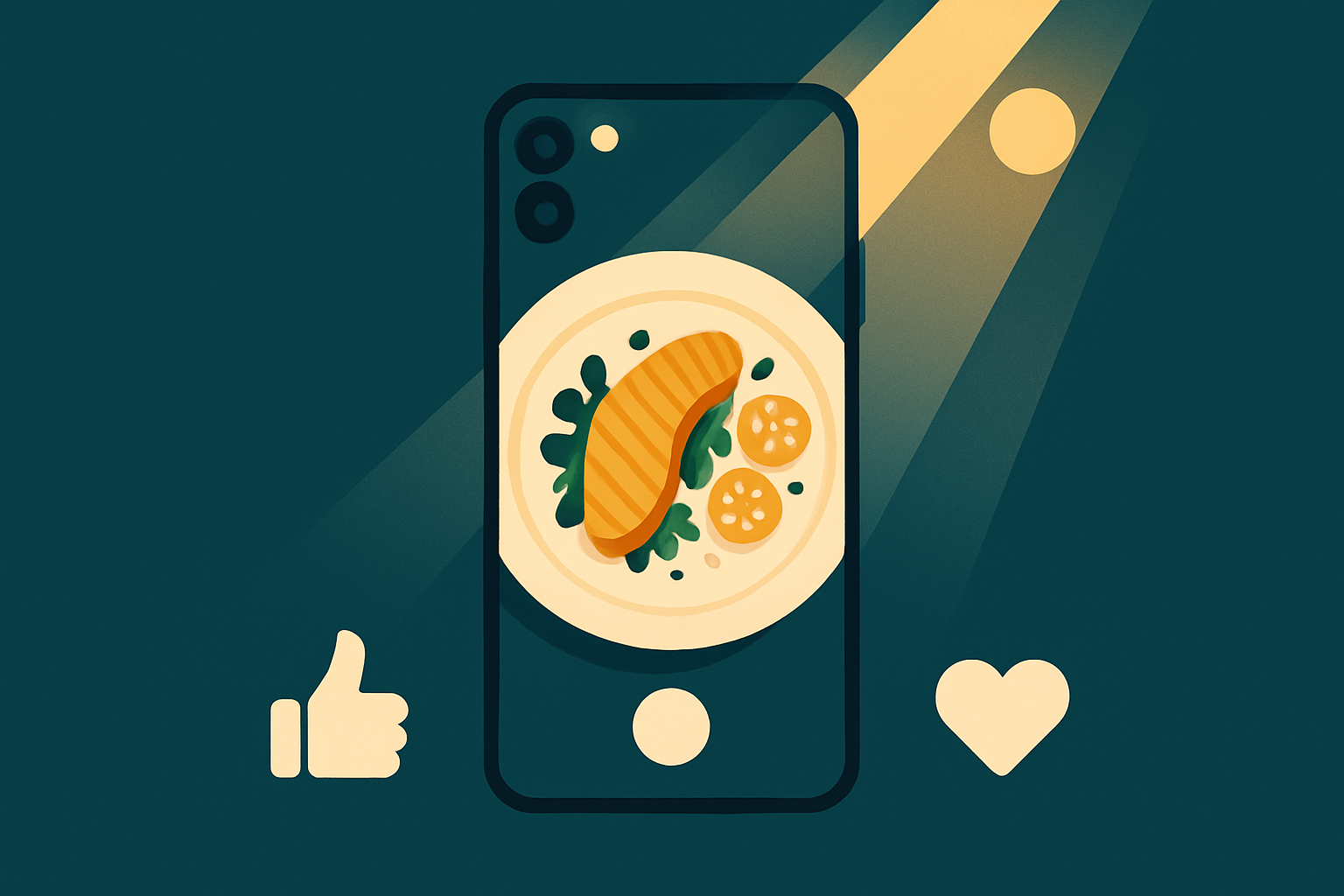
Professional food photography doesn't need an expensive camera or a studio — it needs an understanding of a few simple rules and a modern phone. An appetizing photo is the first and biggest reason a customer orders, so mastering your dish photography is a direct investment in your sales. This guide gives practical tips for mouth-watering shots.
Why does the photo sell?
Food decisions are visual and emotional. The customer decides to order or not in seconds based on the photo. An appetizing photo makes them "hungry with their eyes" and order, while a weak photo makes even your best dish look ordinary. So photography isn't a luxury — it's part of selling.
Natural light first
The most important element in food photography is light. Shoot next to a window in daytime with soft natural light, and avoid yellow light or direct flash that ruins food colors. If the light is too strong, use a light curtain to soften it.
The right angles for each dish
- Top-down: ideal for table spreads, pizza and flat dishes.
- 45-degree angle: closest to how the eye sees food — suits most dishes.
- Side: ideal for burgers, cakes and layered drinks to show height.
Background and styling
A simple background makes the food the hero. Use wood, marble or a solid color, and add simple elements (a fork, raw ingredients, a napkin) without cluttering the frame. Background clutter distracts the eye from the dish.
Focus on appetizing details
Zoom in on mouth-watering moments: rising steam, sauce pouring, cheese stretching, the crunch. These details make the photo "alive" and stir the desire to order far more than a cold general shot.
Colors and contrast
Colorful food attracts more. Add a touch of color (greens, colored peppers, sauce) to break the dish's monotony. Contrast between the food and background makes the dish pop. Avoid all elements having the same dull color.
Photographing drinks
Drinks love side or backlight that highlights transparency and layers. Shoot coffee with fresh latte art, and cold drinks with condensation droplets that convey refreshment.
Quick phone settings
Clean the lens first. Enable grid lines for composition, tap the dish to set focus and exposure, and avoid digital zoom (get closer with your body). Shoot at the highest resolution and take several shots to pick the best.
Simple editing makes a difference
Light editing lifts a photo a lot: slightly raise brightness and contrast, adjust the temperature so colors look natural, and increase saturation carefully. Don't overdo filters until food looks unreal — the goal is appetizing and natural.
Short food video
Video gets higher reach than a photo. A 10-second prep shot, the "pull" moment, or a slow tour around the dish — all are strong content. The same lighting and angle rules apply to video.
Visual consistency for your account
When your photos share the same style (lighting, colors, angles), your restaurant's account looks distinctive and professional at first glance. Pick a consistent style and stick to it — it builds a visual identity that sets you apart from competitors.
Photography mistakes to avoid
- Direct flash ruins colors and shadows.
- A cluttered background distracts from the dish.
- Digital zoom lowers quality.
- Overdoing filters makes food look unreal.
- Shooting food after it cools and loses its fresh look.
A simple, cheap kit
You don't need much: a modern phone, a small stand for stability, and a simple reflector (even a white sheet) to spread light. These are enough for professional photos of your restaurant without a big budget.
From photo to post
After you get an appetizing photo, turn it into a post with a mouth-watering caption and a call to order. Use AI tools to generate the caption and hashtags fast, and grab post ideas from post ideas for your restaurant and café.
Photograph the whole menu for your digital menu
A digital menu works far better when every item has a photo. Dedicate a photo session covering all your dishes in the same style and lighting, so the menu looks consistent and professional. These photos work in the menu and on social at the same time, so the effort serves more than one use. Tie this to the digital menu to reap the full benefit.
Mood and color to match your restaurant's personality
A fine-dining restaurant suits dramatic lighting, a dark background and a calm mood, while a youthful café suits bright colors, light and playful lighting. Make your photo style reflect your place's personality, because the photo doesn't just sell the food — it sells the experience and feeling the customer will have with you.
Shooting in artificial and night light
You won't always have daylight. If shooting at night or indoors, use a steady white light source (not flash) from the side, and avoid mixing light sources of different colors as they ruin food colors. A cheap white LED makes a big difference.
Props: the supporting elements
Props are the elements you add around the dish to complete the story: raw ingredients, a cloth napkin, a coffee cup, kitchen tools. Use them in moderation to support the dish, not steal attention. One or two elements are enough to give the photo depth and context.
Run a fast, efficient photo session
Instead of shooting one item daily, run a weekly session covering the whole week's content. Prepare the dishes, lighting and background once, and shoot in sequence. This saves a lot of time and keeps the result consistent. Take several shots per dish so you have options to edit and choose from.
Photographing tricky dishes
Some dishes lose their look fast (ice cream melts, soup forms a skin, crisps go soft). Shoot them right after plating, and prepare everything before the dish comes out. For melting dishes, shoot quickly or use a "photo" version prepared specifically for the shot.
Shoot in sizes that fit each platform
Each platform has a size that works best: square and portrait for Instagram, full vertical for reels, TikTok and stories. Shoot with space around the dish so you can crop to any size later without losing the composition. Thinking about size while shooting saves you reshoots.
Keep and organize your photo archive
Good photos are an asset of your restaurant. Save them in organized folders named per item, so you reach any photo fast when you need it for a post, ad or menu update. An organized archive lets you reuse your photos many times instead of reshooting each time.
A final tip: practice constantly
The biggest secret in food photography is repetition. The more you shoot, the more your eye trains and your photos noticeably improve. Shoot each dish from several angles and lights, compare the results, and learn from the best shot. Over time you'll produce professional photos fast and confidently without thinking about the rules.
Conclusion
Good food photography = natural light + the right angle + a simple background + appetizing details + light editing. You don't need expensive gear, you need to apply these rules and practice. And connect your photos to organized marketing — see the restaurant marketing guide.
Related articles
How to Turn First-Time Restaurant Guests Into Loyal Regulars in Egypt
What turns a guest into a loyal regular? This guide digs deep into practical strategies for Egyptian restaurants, from staff training and atmosphere tweaks to local partnerships and social proof. Real examples and actionable steps, no fluff.

Customer Experiences in Restaurants: How to Build Lasting Loyalty to Your Brand?
Discover how to build lasting loyalty for your restaurant brand by enhancing customer experiences.
How to Use Influencer Marketing to Boost Your Restaurant's Popularity
Learn how to effectively use influencer marketing to increase your restaurant's visibility and customer loyalty.