
Unlocking Customer Psychology: The Key to Deeper Connections and Unforgettable Experiences
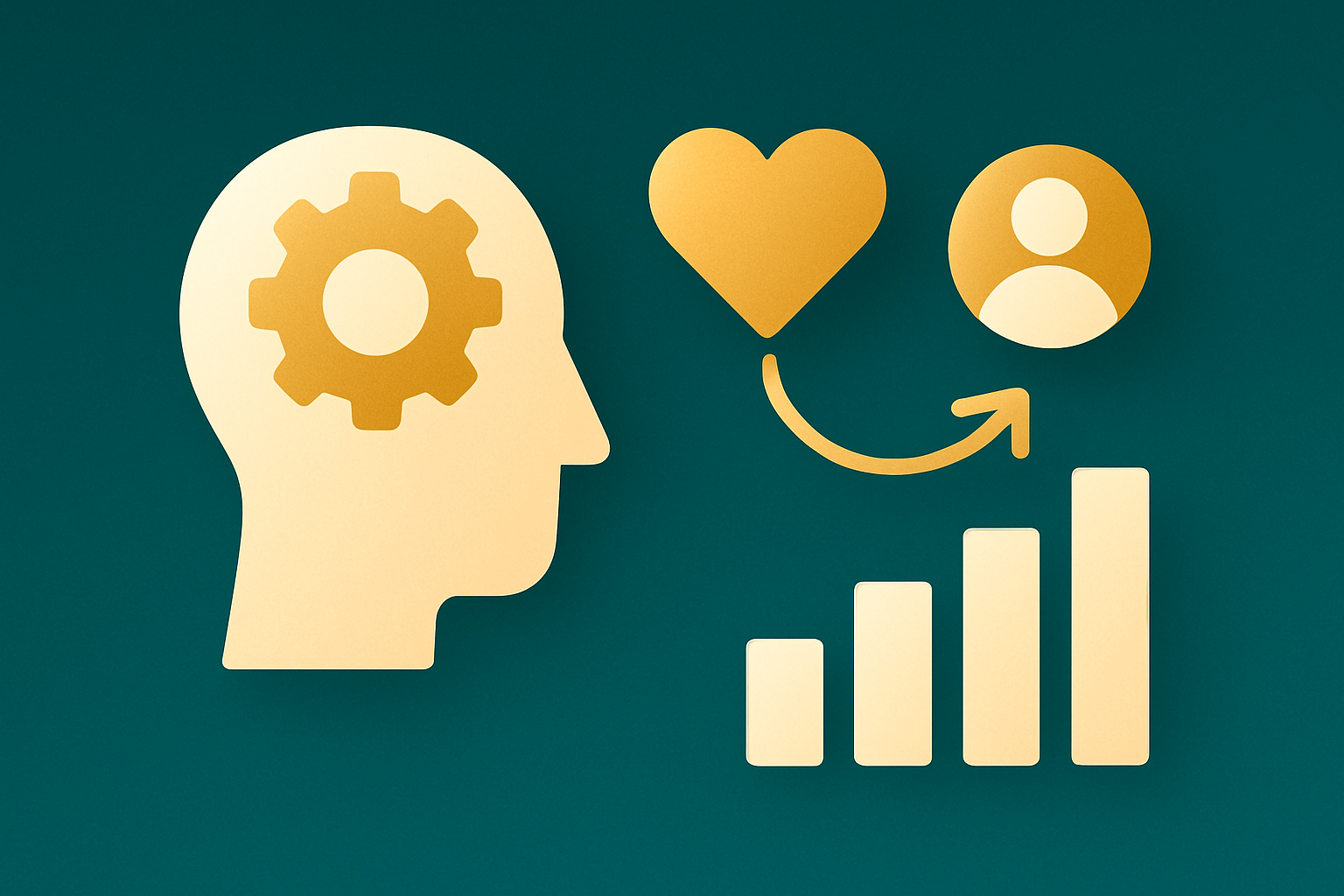
Big marketing budgets don't always guarantee success. Many companies spend a fortune on advertising, yet their results fall short of expectations. The issue often isn't the budget size, but a lack of deep understanding of the psychological motivations driving purchase decisions. If you truly knew what your customer thinks and what genuinely moves them, you'd reach them in a completely different way. This isn't just theory; it's a proven strategy that builds customer loyalty and drives higher sales.
What is Psychological Analysis in Marketing?
Psychological analysis in marketing applies principles of psychology to understand the unspoken motivations, desires, and needs of customers. It goes beyond merely knowing what a customer buys; it's about understanding why they buy it. This approach moves past demographic and overt behavioral data, focusing instead on the subconscious, emotions, and core values that shape purchasing decisions. Take, for example, a customer who buys a new phone with a better camera. We don't just stop at the camera. We ask: Why is this better camera important to them? Do they want to share moments with loved ones, build their social media presence, or simply own the latest gadget? These subtle distinctions are what make your marketing speak to the soul, not just the mind.
Schools of psychoanalysis, drawing from the ideas of Sigmund Freud, Jung, and others, suggest that a significant portion of our behaviors and motivations are unconscious. In marketing, this means a customer might state they bought a particular product due to its price, but the real driver could be a feeling of security, a desire for belonging, or even the satisfaction of a need for superiority. When we understand these layers, we can craft marketing messages that touch a raw nerve within the customer, making them feel the product was designed specifically for them.
The Importance of Understanding Customer Behavior Through Psychological Analysis
Understanding customer behavior from a psychological perspective isn't a luxury; it's a necessity for any business striving for growth and sustainability. Why? Because it simply enables highly targeted marketing, instead of wasting resources on generic campaigns. When you grasp what psychologically moves your customer, you can achieve the following:
- Build Stronger Marketing Messages: Your message won't just be an advertisement; it will be a story that resonates with the customer's emotions, addresses their fears, and fulfills their aspirations. This makes the ad stick in their mind longer and feel personally relevant.
- Design Better Products and Services: Knowing the psychological needs your product fulfills allows you to develop it to meet these needs more effectively. If you know customers buy your coffee not just for its taste, but for the feeling of relaxation and calm it brings in the morning, you can enhance this feeling throughout the purchasing experience.
- Improve Customer Experience: From the first interaction a customer has with your brand to post-purchase, every touchpoint can be designed based on your psychological understanding. This creates a seamless and enjoyable experience that encourages repeat business.
- Build Customer Loyalty: When customers feel truly understood and that you offer value beyond the product, a strong emotional bond forms. This bond is the foundation of loyalty, turning customers into brand advocates.
- Anticipate Future Trends: Your understanding of fundamental human motivations helps you predict what customers might care about next, keeping you a step ahead of the competition.
Strategies for Analyzing Customer Behavior
Analyzing customer behavior isn't just about gut feeling. There are strategies and tools to help you understand deeper psychological dimensions. From our work with numerous companies, we find that combining multiple methods is optimal:
- In-depth Interviews and Focus Groups: These are powerful ways to hear directly from the customer. Don't just ask about their opinion of the product; ask about their feelings, their day, and their challenges. Open-ended questions often reveal deep, unexpected motivations.
- Psychological Surveys and Questionnaires: These aren't just satisfaction questions, but carefully designed questions to measure personality traits, motivations, and values. You can use validated psychological scales.
- Online Behavior Monitoring: Web and social media analytics tools provide massive data on how customers interact with your website, ads, and content. Which pages do they spend more time on? Which products do they browse but not buy? Tracking the customer journey helps understand friction points and potential motivations.
- Keyword and Content Analysis: Look at the words customers use to search, and the topics they discuss in forums or comments. This gives you insight into their interests, fears, and motivations. If they search for "insomnia solutions," it means they're looking for psychological comfort, not just medication.
- Competitor Analysis: Observe what your competitors target in their marketing messages and how customers interact with them. This might reveal psychological aspects they focus on, or weaknesses you can improve upon.
- Customer Journey Maps: Map the customer's path from their first awareness of you through purchase and beyond. At each touchpoint, try to imagine their feelings, thoughts, and concerns. This helps you understand the experience completely from their perspective.
How to Use Psychological Data in Designing Marketing Campaigns
Psychological data isn't just numbers or notes; it's treasure if you know how to leverage it effectively in your marketing campaigns. The idea is to translate this deep understanding into actionable steps. For example, if you know a segment of your customers buys a certain product because of the feeling of security it provides, your marketing campaign should focus on this security, not just the product's technical features. Here are some ways:
- Precise Target Audience Segmentation: Don't limit yourself to demographic segments (age, gender, income); focus on psychographic segments (values, lifestyles, motivations). You might find one segment cares about environmental sustainability, another about luxury, and each needs a different message.
- Crafting Impactful Marketing Messages: Use language and imagery that resonates with the psychological motivations you've discovered. If your customer seeks "comfort," use calming images, soothing colors, and words like "relax" and "serenity." If they seek "success," use powerful imagery and words like "achievement" and "excellence."
- Choosing the Right Marketing Channels: If you know a specific segment prefers visual content that tells inspiring stories, focus on video marketing via platforms like YouTube or TikTok. If they prefer content that offers practical solutions to their problems, blogs and articles might be better.
- Personalizing Offers and Experiences: Based on your psychological understanding, you can offer personalized deals to each customer. For example, if you know a particular customer loves luxury products, you can send them special offers on those items.
- Building Engaging Content: Content that addresses a specific psychological need resonates more deeply. If your customer feels lonely, you can create content about connecting and building relationships. This doesn't directly sell your product, but it builds an emotional bond with your brand.
Examples of Successful Psychological Analysis in Marketing
Numerous global and local companies have successfully used psychological analysis to connect with their customers. Consider:
- Coca-Cola: It doesn't sell a soft drink; it sells "happiness," "sweet moments," and "family gatherings." Their campaigns always focus on positive emotions and belonging.
- Nike: It doesn't sell athletic shoes; it sells "inspiration," "excellence," and "breaking barriers." Their slogan "Just Do It" targets the psychological drive for achievement and challenge.
- Apple: It doesn't sell electronics; it sells "innovation," "exclusivity," "simplicity," and "social status." Apple users often feel part of a creative and advanced community.
- Luxury Car Brands: They don't just sell transportation; they sell "luxury," "success," "prestige," and "control." Every detail, from the car's design to the scent of leather inside, aims to satisfy these psychological drives.
- Delivery Services (e.g., Talabat or Hungerstation): They don't just offer food delivery; they provide "convenience," "time-saving," and "instant gratification." Their campaigns often focus on ease of use and quick fulfillment of desires.
All these examples show that successful companies understand the product is merely a tool, but the real motivation to buy is the fulfillment of a deep psychological need.
Tips for Applying Psychological Analysis in Your Business
Applying psychological analysis doesn't require huge budgets. You can start with simple, effective steps:
- Start with Deep Questions: Instead of asking "What did you like about our product?" ask "How do you feel when using our product?" or "What problem did our product solve in your daily life?"
- Listen Carefully: Not just to customers, but to employees who interact with them directly. They may have valuable insights into customer motivations and concerns.
- Observe Body Language and Tone: In personal interviews or customer service calls, body language and tone of voice can reveal emotions and motivations not expressed verbally.
- Use Simple Psychological Analysis Tools: There are ready-made psychological tools and questionnaires you can use to gather data about customer personality traits, such as personality tests that identify behavioral patterns.
- Experiment with Different Marketing Campaigns: Design campaigns that focus on different psychological motivations (security, belonging, achievement, luxury) and monitor which ones achieve the best results.
- Analyze Customer Feedback: Product comments and reviews reveal much about the motivations behind buying or not buying. If you find many customers mention "comfort" in their reviews, that's a strong indicator.
- Learn from Failure: If a marketing campaign doesn't succeed, try to understand the psychological reasons behind the lack of customer engagement. Perhaps your message didn't effectively reach the motivation you were targeting.
- Look for Patterns: You won't get all the answers from one customer. Look for recurring patterns in responses and behaviors to gain a deeper understanding.
- Don't forget the importance of Digital Marketing for Small Businessesas it provides excellent tools for data collection and analysis.
Evaluating the Performance of Psychologically-Driven Strategies
After implementing your psychologically-driven strategies, you must measure their performance to know what works and what needs adjustment. Measurement isn't limited to direct sales figures; it includes metrics that reflect emotional and psychological engagement:
- Conversion Rates: Do campaigns targeting specific psychological motivations achieve higher conversions?
- Engagement Rates: Does content that touches the psychological aspect achieve greater engagement (likes, comments, shares)?
- Customer Loyalty: Are customers you connect with based on psychological understanding more loyal to your brand? You can measure this through repeat purchase rates or Customer Lifetime Value.
- Brand Awareness and Sentiment: Do people talk about your brand more positively? Do they associate it with specific emotions (trust, security, happiness)? Social media sentiment analysis tools can help here.
- Customer Reviews and Ratings: Do you notice words in reviews that reflect the fulfillment of specific psychological needs?
- Reduced Bounce Rate on Websites: If your content resonates with the customer's passion, they will spend more time on your site.
Remember, psychological analysis is an ongoing process, and results may not appear overnight. Be patient, experiment, adjust, and learn from every experience. Also, reviewing Essential Social Media Terms will help you understand the various metrics you can track.
How to Build Lasting Customer Relationships Through Psychological Understanding
Building lasting customer relationships is the ultimate goal for any business. When you understand customers psychologically, you don't just sell them a product; you build a bridge of trust and appreciation. This is achieved by:
- Continuous Understanding: Customers change, their needs change, and their motivations may evolve. You must stay constantly updated on these changes through continuous listening and analysis.
- Providing Value Beyond the Product: If you know your customer cares about personal growth, you can offer content or workshops that support it, even if not directly related to your product. This makes them feel you care about them as a person, not just a customer.
- Transparent and Honest Communication: Customers sense sincerity. When you are transparent and honest in your dealings, it builds strong trust.
- Responding to Emotional Needs: If a customer has a negative experience, your emotional response (empathy, a sincere apology, an attempt to compensate) can turn that negative experience into an opportunity to strengthen the relationship.
- Creating Unique Experiences: When you design the customer experience based on your understanding of their psychological motivations, you create a customized and distinctive experience that makes them feel special.
- Building a Community: If your product or service fulfills a psychological need for belonging, you can build a community around your brand. This makes customers feel connected to each other and to you as a brand.
Psychological analysis and customer behavior aren't just academic terms; they are powerful tools at your disposal to build a successful and sustainable business. Start today by asking deeper questions, and listen with your heart before your ears. The results might surprise you and change the trajectory of your business for the better.
Related articles
Automated Marketing: Your Secret Weapon for Digital Growth
Discover how marketing automation can transform your business by streamlining tasks, personalizing customer interactions, and boosting sales. This guide explores its benefits, popular tools, and best practices for success.

Mastering Blogger Outreach: Your 2024 Strategy Guide
Discover how to build a powerful blogger marketing strategy in 2024. Learn to identify the right influencers, develop compelling content, and measure your impact for real business growth.

Level Up Your Brand: Innovative In-Game Marketing Strategies for 2024
Discover how in-game marketing has evolved beyond traditional ads into immersive brand experiences. This guide explores strategies, market insights, and future trends for brands looking to connect with gamers effectively in 2024, especially within the Arab world.