
Crafting Your Custom Marketing Plan for 2024: A Practical Guide
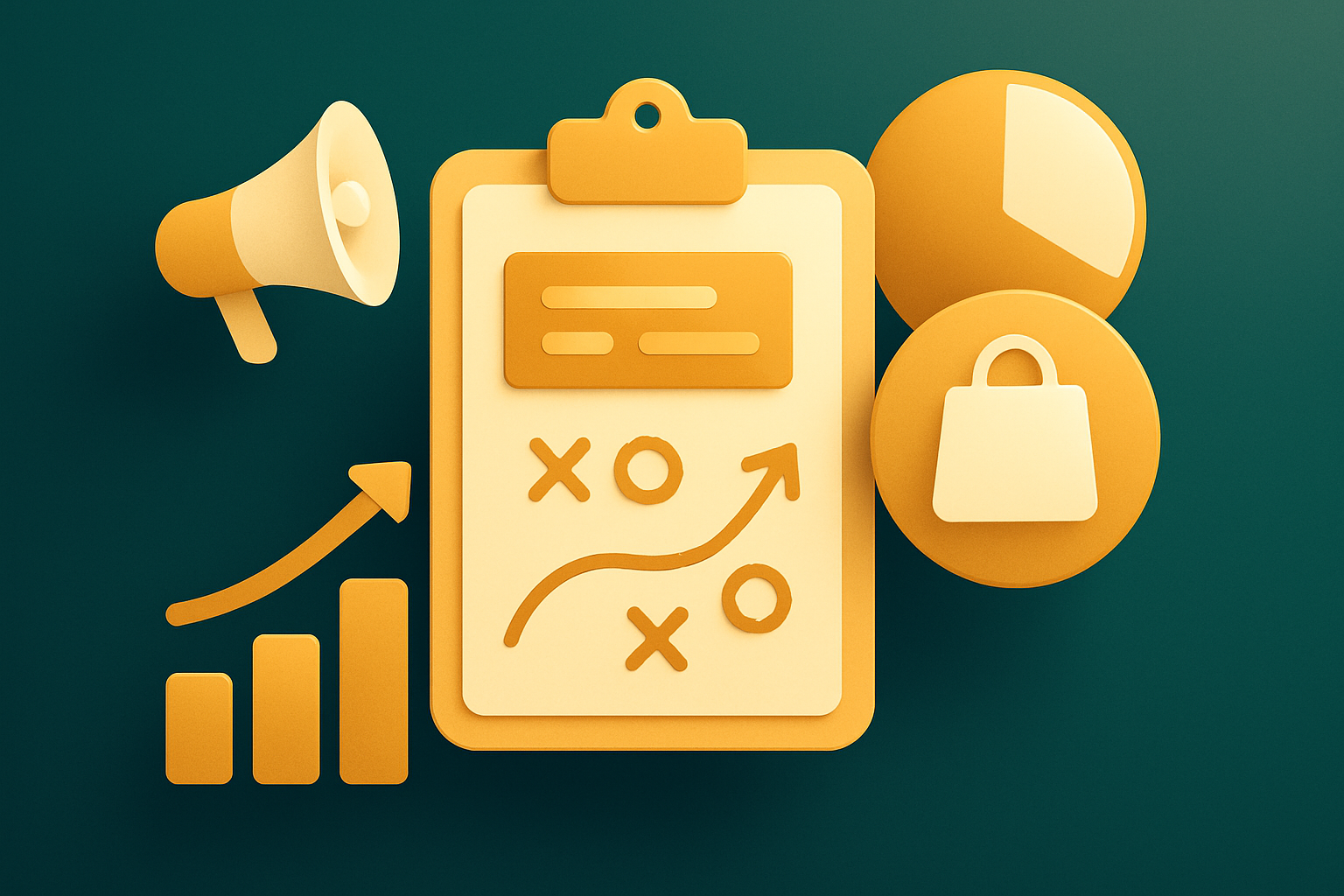
"How can I sell more?" Ask nearly any business owner, large or small, and that's often their biggest challenge. The answer isn't always just in the product or its quality. A huge part of it rests on a custom marketing plan. Imagine marketing a fantastic product to the wrong people, or using a channel your customers never see. The result is always the same: wasted effort and money. In 2024, with consumer behavior and technology changing fast, off-the-shelf marketing plans are like ready-made clothes; they might do the job, but they'll never fit perfectly. You need a marketing plan tailored to your brand's exact measurements to truly succeed. This isn't just theory; it's what we see daily in the market. Successful companies genuinely understand their customers and speak their language, through the channels they actually use.
The Importance of a Clear Marketing Plan
Without a clear plan, marketing becomes a series of random attempts, often just shooting in the dark. A marketing plan isn't just a document for ideas; it's a roadmap that defines your destination and how you'll reach it. It helps you understand your market, who your target customer is, and what message you need to send. Plus, it saves serious time, effort, and money because you know precisely what to do, how, and when. With a clear vision, every step is calculated and contributes to your ultimate goals.
From my experience with many clients, there's a huge difference between those with a plan and those without. Planned businesses know their priorities, measure results, and can constantly adjust and improve. This keeps them ahead, ready to adapt to any market shift, whether it's new consumer trends, emerging competitors, or innovative marketing techniques. Simply put, a marketing plan is the backbone of any successful marketing campaign, protecting your business from getting lost in the sea of competition.
Steps to Analyze Your Market and Target Audience
Before any plan takes shape, you need a deep understanding of the ground you're on. Analyzing your market and target audience is the first, most crucial step. Who are your competitors? What are their strengths, their weaknesses? What opportunities exist, and what challenges might you face? Use tools like SWOT analysis (Strengths, Weaknesses, Opportunities, Threats) to build a complete picture. Then, focus on your audience. Who is your ideal customer? What's their age, interests, income, where do they spend time online? What problems do they face that your product solves? Are they a university student looking for affordable tech, a homemaker seeking practical cleaning solutions, or a business professional needing tools to excel?
Collecting this data isn't optional; it's the foundation for all your marketing decisions. You can use surveys, interviews, or even data from platforms like Facebook Insights or Google Analytics. Simple social listening tools can show you what people are talking about and what concerns them. Every piece of audience information makes your marketing message resonate more deeply. Knowing what drives them means knowing how to speak to them, reach them at the right time and place, and with content they genuinely appreciate. For more on social media analytics, check out Common Social Media Management Mistakes.
Setting Measurable Marketing Goals
Without clear, specific goals, how will you ever know if you've succeeded? Marketing goals must be SMART: Specific, Measurable, Achievable, Relevant, and Time-bound. Don't just say, "I want to increase sales." Instead, say, "I want to increase sales by 15% during Q3 2024 through Facebook and Instagram ad campaigns targeting tech-savvy youth in Cairo and Giza."
When your goals are this clear, your efforts become focused, and your team knows exactly what to do. You can measure progress and adjust strategies as needed. Setting goals not only defines your destination but also places milestones to confirm you're on the right path. No goal means no direction, and no way to know if you've arrived. Crucially, these goals help you define Key Performance Indicators (KPIs) to track your success, like Customer Acquisition Cost (CAC) or Customer Lifetime Value (LTV).
Choosing the Right Marketing Channels
Every brand has marketing channels that perform better than others. The real question isn't what channels are available; it's where your target audience spends its time. If you're targeting youth, social media might be perfect, especially TikTok and Instagram. If you're after B2B companies, LinkedIn or email marketing could be more effective. Remember, marketing channels aren't just digital; they can include exhibitions, events, or even street advertising like billboards in key areas, or radio and TV if the budget allows and your audience tunes in. Choosing the right channel saves you money and ensures your message lands effectively.
It all comes down to understanding your audience and how to choose the right platform for your business. Don't chase every new trend; select channels that truly serve your objectives and reach your audience with minimal cost and maximum impact. Sometimes, one correctly focused channel yields far better results than ten channels you work on superficially. For example, a small restaurant in a popular neighborhood might thrive on leaflet distribution and local billboards combined with an active Facebook page. This could be a million times more successful for them than trying to compete in Google Ads against larger restaurants with huge budgets.
Building Your Marketing Message and Unique Value Proposition (UVP)
Once you know your customer and the channels to reach them, it's time for your message. Here, you must define your product or service's Unique Value Proposition (UVP). Why should customers choose you, specifically, over your competitors? What makes you stand out? Is it the lowest price, highest quality, best customer service, a unique design, or solving a specific problem in a new way?
Your marketing message must be clear, concise, and persuasive. It needs to highlight the benefits the customer will receive, not just product features. For instance, instead of "We have the latest smartphone," say, "Enjoy professional photography with our new smartphone that makes your photos look stunning, even in low light." See the difference? The second sentence focuses on a direct customer benefit. This message will appear in your ads, content, and every customer touchpoint, and it must be consistent everywhere.
Distributing Your Budget Effectively
Budget is always a major concern. How do you allocate money across marketing activities for maximum benefit? First, determine your total available budget. Then, based on your goals and chosen channels, start allocating a portion to each. For instance, if paid social media ads are your focus, a large part of the budget goes there. If content marketing is priority, allocate funds for content creation and distribution, which might mean hiring a writer or graphic designer. The key is to assign a percentage to each channel based on its expected outcomes, not just random division.
Budget allocation needs to be flexible. If a channel yields excellent results, shift funds from a less efficient one. The budget isn't static; review it continuously to see where your money works best. Don't forget an emergency fund or a portion for experimentation, in case you want to try a new channel or seize a sudden marketing opportunity. Sometimes, investing in data analytics tools or training your marketing team brings a greater return than simply spending directly on ads.
Developing Content That Resonates With Your Audience
Content is king, and that saying is more true than ever. But not just any content; it must be tailored to your audience. What content do they enjoy? Videos, articles, infographics, podcasts? What topics interest them? What tone do they prefer? Content must be useful, engaging, solve a problem, or provide real value. Are they looking for educational, entertaining, informational content, or a mix?
In 2024, people are tired of overt promotional content. They seek content they can trust, content that offers solutions or educates. So, focus on building a relationship with your audience through content. This takes time, but its long-term results are powerful. Remember, the goal isn't just to sell; it's to build brand loyalty, and content is your primary tool. This could be customer success stories, practical tips in your field, or simple educational videos explaining product use. For tips on managing content across platforms, see Essential Social Media Terms.
Measuring Performance and Adjusting Strategies
A marketing plan isn't something you write and then forget. It's an ongoing process. You must constantly measure performance to know what's working and what needs tweaking. Use data analytics tools to track the Key Performance Indicators (KPIs) you set. For example, if your goal is social media engagement, track likes, comments, shares, and saves. If it's sales, monitor conversions and their source, Average Order Value (AOV), and Conversion Rate.
This information lets you make decisions based on real data, not guesswork. If a campaign isn't yielding expected results, don't hesitate to adjust it or even stop it. Flexibility is key to success. Marketing changes fast, and you must be willing to change with it to stay competitive. Generate regular reports, weekly or monthly, to review performance and ensure you're on track.
Examples of Successful Marketing Plans in 2024
We see many companies building customized, creative marketing plans in 2024. Companies like Noon and Amazon focus on personalized marketing, offering products and suggestions based on your past purchases and browsing history. This makes you feel understood, boosting purchase likelihood. They use AI to analyze consumer behavior and predict what you might buy, making the shopping experience personal and targeted. This approach is fundamental to Digital Marketing for Small Businesses.
Many companies also invest more in influencer marketing, using individuals with loyal followings who've built trust with their audience. These campaigns succeed because they reach audiences through someone already trusted, adding product credibility. We see this often with fashion, food, and even tech influencers collaborating with small and medium brands to boost sales and awareness.
Some restaurants, for instance, build communities around their brand by organizing specific events or social media contests. This gives customers a sense of belonging, not just as consumers. True success comes from a deep understanding of the customer and creative ways to reach and communicate with them. Think of a restaurant running a "Dish of the Month" competition, letting followers vote; this increases engagement and makes customers part of the decision-making process.
"A customized marketing plan is your key to unlocking sustainable growth in the ever-changing business world."
Ultimately, building a customized marketing plan for your brand in 2024 isn't a luxury; it's a necessity. Start with a thorough market and audience analysis, define clear goals, choose channels wisely, develop your unique message, and allocate your budget effectively. Most importantly, remember this plan isn't static; it needs continuous review and adjustment. Take the first step now and begin outlining your customized marketing plan. Success comes from calculated steps, and always remember that flexibility and continuous learning are the pillars of modern marketing.
Related articles
Automated Marketing: Your Secret Weapon for Digital Growth
Discover how marketing automation can transform your business by streamlining tasks, personalizing customer interactions, and boosting sales. This guide explores its benefits, popular tools, and best practices for success.
Mastering Blogger Outreach: Your 2024 Strategy Guide
Discover how to build a powerful blogger marketing strategy in 2024. Learn to identify the right influencers, develop compelling content, and measure your impact for real business growth.
Level Up Your Brand: Innovative In-Game Marketing Strategies for 2024
Discover how in-game marketing has evolved beyond traditional ads into immersive brand experiences. This guide explores strategies, market insights, and future trends for brands looking to connect with gamers effectively in 2024, especially within the Arab world.