
Boosting Conversions: Proven Strategies for E-commerce Success
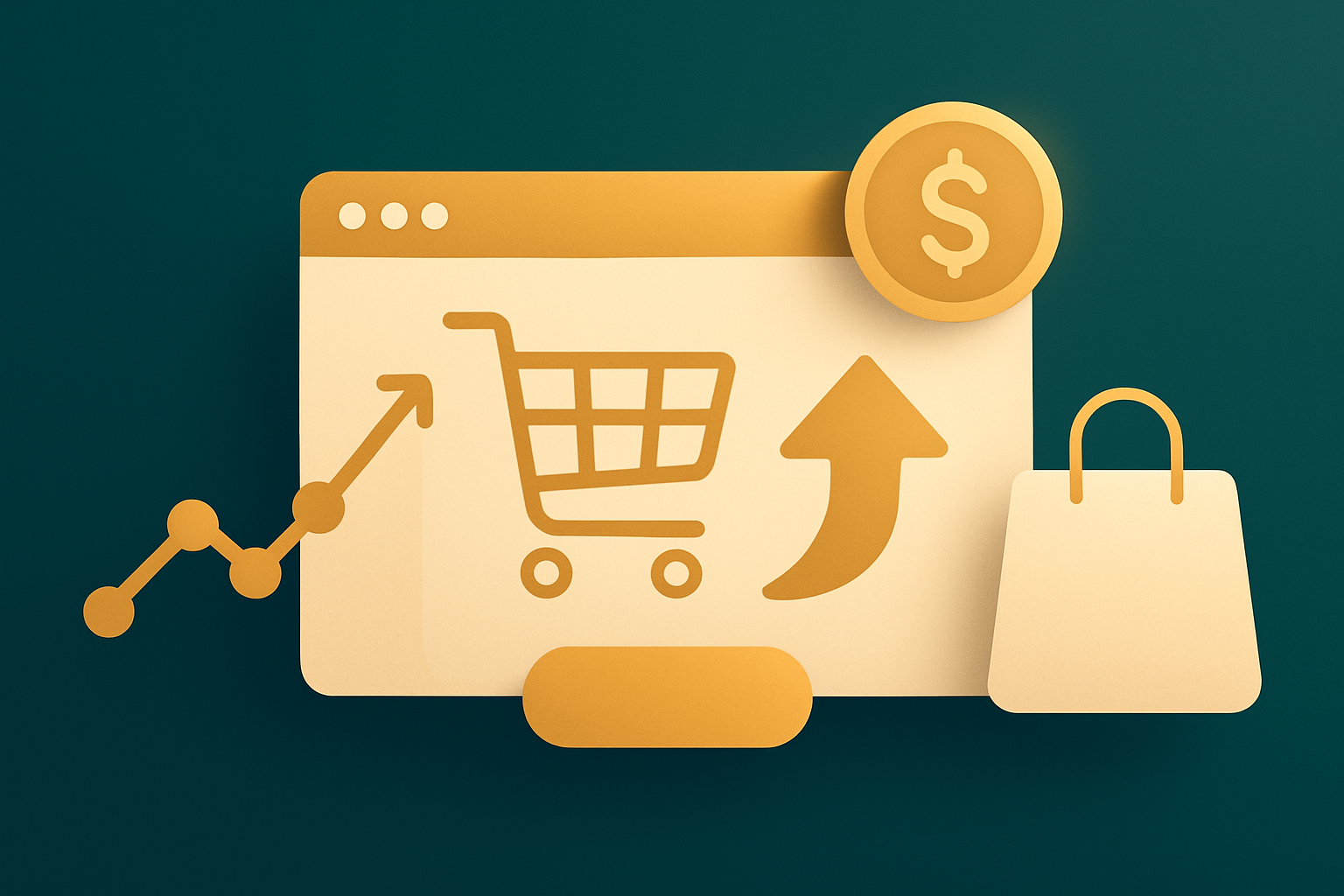
Your online store attracts a lot of visitors, but how many of them actually make a purchase? This is a common challenge for any online business owner. You spend a significant amount on advertising and marketing, bringing traffic to your website, only to find that a small percentage adds products to their cart and completes the purchase. Why does this happen? And how can we change this equation? How do we convert these visitors into loyal customers? This article will provide you with practical, tested strategies you can implement immediately to see real results in boosting your conversion rates.
Understanding Conversion Rates and Their E-commerce Importance
Simply put, a conversion rate is the percentage of visitors who complete a desired action, such as making a purchase, signing up for a mailing list, or downloading a file. If your store has 100 visitors and two of them buy, your conversion rate is 2%. This figure is incredibly important. It's not just a percentage, it's a direct indicator of your store's efficiency and its ability to generate profits. A store with a high conversion rate means that every dollar you spend on marketing brings back multiple returns, your customer experience is excellent, and your products are compelling. Imagine attracting the same number of visitors, but instead of two buying, four now purchase. This means your sales have doubled with the same marketing cost, which significantly impacts the profitability of any project.
Setting the Right Goals for Conversion Rate Optimization
Before we start working on anything, we need to know exactly what we want to achieve. Goals must be clear, measurable, achievable, and time-bound. Instead of saying, "I want to increase my sales," you could say, "I want to raise my conversion rate from 1.5% to 2.5% during the third quarter of the year." Defining your goal this way helps you know if you're on the right track and directs all your efforts. Your goals might not just be sales; they could include collecting emails, increasing the number of people adding products to their cart, or even boosting engagement with specific content. When you define these goals, you can create a clear plan and choose the right tools and strategies to achieve them.
Optimizing User Experience on Your E-commerce Store
User experience, or UX, is the soul of any successful e-commerce store. If a customer can't easily find what they're looking for, struggles with navigation, or feels the site looks unprofessional, they'll leave in seconds. The website must be fast-loading and have an attractive, simple design. Navigation needs to be smooth and clear, with understandable menus. Most importantly, the site must work well on all devices, whether mobile, tablet, or desktop. Many stores lose potential customers because their website isn't mobile-responsive, even though most purchases now happen on mobile. From our experience with many clients, we find that neglecting site speed completely kills the user experience. Nobody has time to wait a minute for a page to load.
Leveraging Modern Technologies to Analyze Visitor Behavior
How can you improve something you don't understand? That's why analyzing visitor behavior is a crucial step. Tools like Google Analytics and Hotjar provide golden insights about your visitors: Where do they come from? Which pages do they visit most? What steps do they take before purchasing? Where do they encounter difficulties and abandon the site? You can also use heatmaps to see exactly where visitors click and move their mouse on your pages. Analyzing this data allows you to make decisions based on facts, not just guesses, and pinpoint exactly what needs to be adjusted in your store for better performance. If you find a large number of people leaving a specific product page at a certain point, it could indicate a problem with that product's description, price, or presentation.
Effective Product Page Design Factors
The product page is where the customer makes the final purchase decision, so it must be meticulously designed. Here are essential factors to focus on:
- High-quality images and videos: The product must be clearly and attractively displayed from all angles. Videos help customers visualize the product as if it were right in front of them.
- Compelling and detailed product description: Don't just list specifications; focus on the benefits the customer will gain from the product. Use clear and direct language.
- Clear price display: No one likes mysteries when it comes to pricing.
- Customer reviews: Reviews significantly build trust. People trust the opinions of others more than your own words about your product.
- Clear and prominent "Add to Cart" button: It must be easy to find and very clear.
- Shipping and return information: Make it clear and explicit so customers don't worry about hidden costs or difficult returns.
- Related products: You can display other related products to encourage customers to buy more. Every word and image on the product page can influence a customer's decision, that's a certainty.
Seamless Checkout Experience: Its Impact on Conversions
When a customer reaches the checkout page, this is the most critical step in the purchase journey. If the checkout process is complicated, lengthy, or insecure, you might lose the customer at the last moment. How do we make it seamless?
- Minimize steps: The fewer the checkout steps, the better.
- Diverse payment options: Offer all available and popular payment methods in your target market, such as cash on delivery, credit cards, and e-wallets. In some markets, cash on delivery is still very important.
- Cost transparency: The customer must know the total cost, including shipping and taxes, before paying. Any last-minute surprises can cause them to backtrack.
- Guest checkout option: Not all customers want to create an account on your site. Let them purchase without registration if they prefer.
- Security indicators: Clearly show that the payment process is secure using SSL certificates and any known security badges. We see many stores losing customers because their checkout page requires too much data or doesn't support the payment method the customer is accustomed to. This is a crucial point.
Customer Experience and Trust Building: Forging Customer Relationships
Building trust with customers isn't a luxury; it's the foundation of any successful e-commerce business. When a customer trusts your store, they don't just buy from you; they can become a loyal customer and recommend you to their friends and acquaintances. How do you build this trust?
- Excellent customer service: Prompt responses to inquiries and complaints, and effective problem-solving make the customer feel valued. You can use chatbots to answer frequently asked questions to save time.
- Clear shipping and return policies: Transparency in dealings reassures the customer.
- Security and reliability certificates: Displaying badges from companies that secure your site (like VeriSign or McAfee) increases trust.
- Certifications and awards: If your store has received any quality certifications or awards, display them prominently.
- Social media engagement: Professionally managing social media pages and interacting with customers there enhances trust and shows you care about them. This trust is what makes customers return to you again and again, and it ensures the continuity of your business. This isn't just a word; it's an investment.
Performance Evaluation and Continuous Improvement: Measuring Success
Working on increasing conversion rates never ends; it's an ongoing process. You must always evaluate your performance and see what's working and what isn't. This is done by:
- Regular monitoring of Key Performance Indicators (KPIs): Such as conversion rate, average order value, and bounce rate.
- A/B Testing: You test two different versions of a page, button, or headline to see which performs better. This is an excellent way to understand what attracts customers most.
- Gathering Customer Feedback: You can conduct simple surveys or communicate directly with them to understand what they like and what needs improvement.
- Competitor Analysis: See what your competitors are doing well and try to learn from their experience.
This continuous improvement keeps you ahead and ensures you adapt to changes in the market and consumer behavior. If you stick to one method, competitors will simply overtake you. Boosting conversion rates in e-commerce isn't magic; it's a blend of deep customer understanding, intelligent store design, and continuous data analysis. Every step you take, from when a visitor first enters your site until they complete a purchase, can be a factor in your success or failure. Focus on the customer experience, make everything easy and clear, and don't skimp on continuous improvement. Start now. Review every step based on what we've discussed, and you'll see the difference in your numbers firsthand.
Related articles

Level Up Your Brand: Innovative In-Game Marketing Strategies for 2024
Discover how in-game marketing has evolved beyond traditional ads into immersive brand experiences. This guide explores strategies, market insights, and future trends for brands looking to connect with gamers effectively in 2024, especially within the Arab world.
Hook Your Audience: Crafting Irresistible Content from the First Second
Discover how to captivate your audience from the very first second with engaging content strategies. Learn to craft compelling titles, use visuals effectively, employ storytelling, and leverage interactive elements to make your content irresistible.

Micro-Influencers: Your Budget-Friendly Path to Marketing Success
Discover how micro-influencer marketing can transform your brand's reach and engagement, even with a limited budget. Learn to identify the right influencers, craft effective campaigns, and measure your success for lasting impact.