
AI-Powered Personalization: Crafting Content That Converts Customers
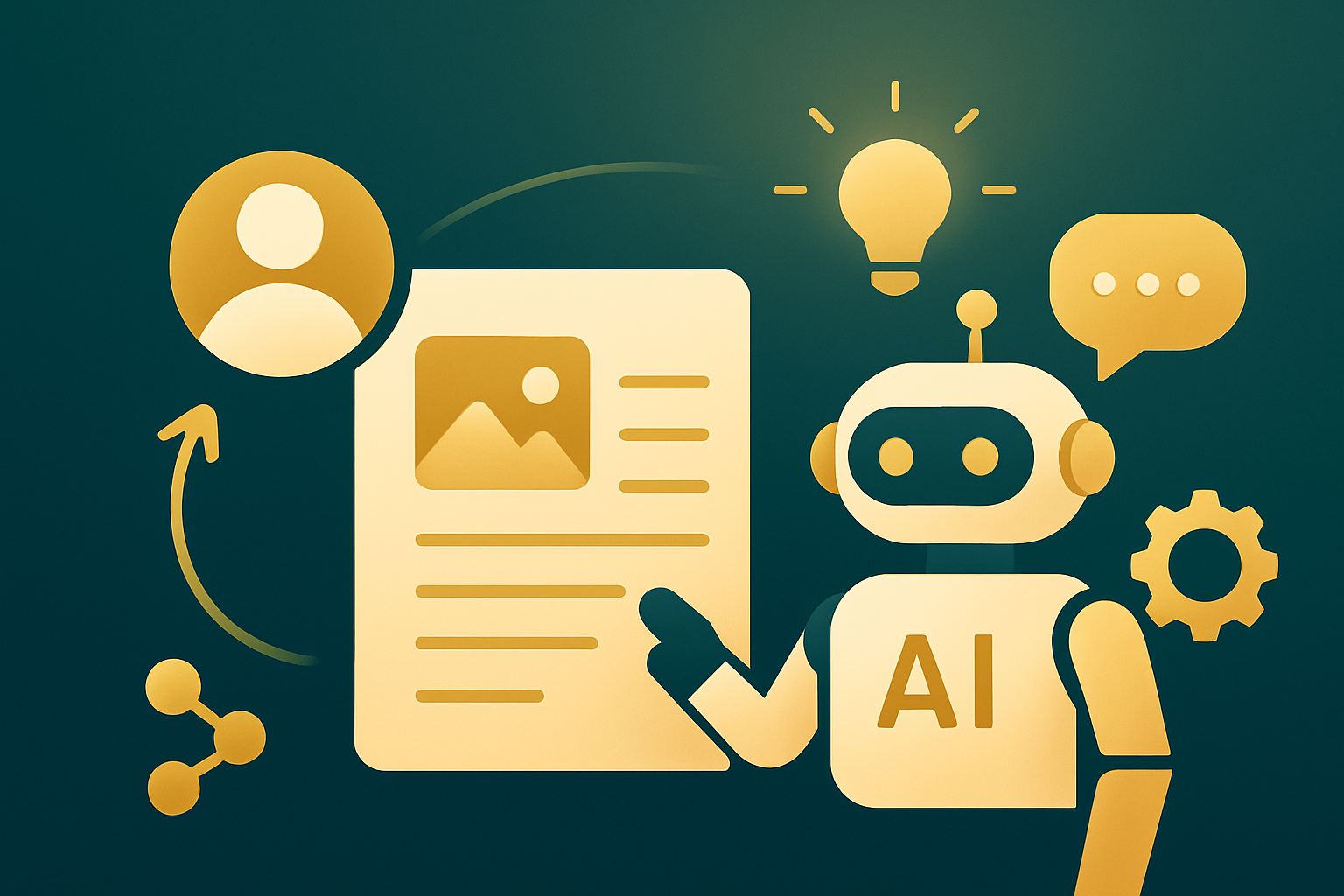
Imagine for a moment that every customer feels your message was written just for them. It's like you're reading their minds, understanding their needs before they even voice them. This isn't a marketing fantasy; it's the reality we're living in today, thanks to AI-powered personalized content. Many businesses still treat their audience as one monolithic group, sending the same message to everyone. Then they wonder why engagement is low and sales aren't growing as expected. The problem usually lies in a lack of personalization. The modern customer is flooded with choices, and their patience is thin. If your content doesn't speak directly to their heart and mind, they'll scroll past it like any other ad.
Artificial intelligence emerged to solve this very problem, allowing you to reach each customer with the right message, at the right time, and in the right way. This article is a practical guide showing you how to leverage the power of AI to transform your target audience into loyal customers, not just numbers on your mailing lists. We'll walk you through it step-by-step, from understanding what personalization means to implementing it practically with specific tools.
What Does Personalized Content Mean?
Personalized content, simply put, is any content, whether an article, email, advertisement, or even a product suggestion, that is designed and adjusted based on specific information about the individual who will receive it. This means it's not a generic message for everyone, but a message tailored to one person or a very narrow segment of the audience. The idea here is to use customer data, such as their interests, past behavior, geographical location, and purchase history, to deliver a unique experience that feels specifically crafted for them. For example, when Amazon suggests products based on your previous purchases, that's personalization. When a news website prioritizes displaying news from your city, that's also personalization.
Why Is Personalized Content Essential?
If you look at the level of competition in any market today, you'll find that the companies succeeding are those that build strong relationships with their customers. Personalization isn't a luxury; it's an urgent necessity for several reasons:
- Increased Engagement: When customers feel content is directed at them, they're more likely to interact with it, whether by reading the full article, opening an email, or clicking a link.
- Improved Customer Experience: Customers appreciate businesses that care about their needs. An enhanced customer experience translates into greater brand loyalty.
- Higher Conversion Rates: Personalized content delivers your message to the right customer at the right time, significantly increasing conversion opportunities. Imagine offering a discount on a product a customer has been searching for; they won't hesitate.
- Stronger Relationships: When you speak to customers in their language and meet their needs, you build trust and a long-term relationship. This not only encourages them to buy from you but also to become advocates for your brand.
- Time and Resource Efficiency: Instead of spending significant effort on generic content that might not resonate with everyone, personalization directs your efforts to the right place, allowing you to get more out of your marketing investments.
How AI Is Used to Analyze Customer Data
Artificial intelligence is the hidden engine behind effective personalization. Its ability to process vast amounts of data faster and more accurately than any human makes it an indispensable tool. AI can do many things to analyze your customer data:
- Data Collection from Multiple Sources: AI gathers information from web browsing, purchase history, email interactions, social media, and even customer service conversations.
- Identifying Patterns and Behaviors: Beyond just data collection, AI can uncover hidden patterns in customer behavior. For instance, it might notice that customers who bought a specific product are often interested in a complementary item.
- Audience Segmentation: It divides customers into very precise segments based on their interests, behavior, demographic characteristics, and more. This allows you to send different messages to each segment.
- Predicting Future Needs: Through deep analysis, AI can anticipate what a customer might need in the future, helping you offer deals and products before the customer even thinks about them.
- Sentiment Analysis: Some AI tools can understand customer sentiment from their comments and reviews, enabling you to grasp their pain points and desires.
Steps to Create Personalized Content Using AI
The journey of creating personalized content with AI isn't as daunting as you might think. Here are the essential steps:
- Clearly Define Your Goals: First, what do you want to achieve? Increase sales? Boost customer loyalty? Attract new subscribers? Clear goals will guide your efforts effectively.
- Collect and Organize Data: This is the most crucial step. You must gather data about your customers from all available sources. Use CRM systems, website analytics, and social media data. The richer and more accurate your data, the better your personalization will be.
- Utilize AI Tools for Analysis: Run AI tools on this data. Let them analyze, segment, and discover patterns. Some tools can even assist you in identifying Best AI Tools for Social Media Content or even help with Writing in Egyptian and Gulf Dialects With AI.
- Define Audience Segments: Based on AI analysis, you'll be able to precisely define your audience segments. This could be a segment interested in specific products, or one that prefers to shop at certain times of the year.
- Create Personalized Content: This is where AI plays a role in content creation. Once you know what each segment wants, you can use AI tools to generate ad copy, articles, or social media posts tailored to each segment. It can even adjust the tone of voice or dialect to match the target segment.
- Smart Publishing and Distribution: Beyond content, AI helps you determine the best channels and times to publish content for each segment, ensuring maximum reach and engagement.
- Continuous Measurement and Improvement: Monitor the performance of your personalized content. What worked? What needs adjustment? AI can help you analyze results and learn from them to refine your future campaigns.
Smart Tools for Content Personalization
Many tools facilitate the content personalization process. Here are a few examples:
- AI-Powered Customer Relationship Management (CRM) Platforms: Like Salesforce Einstein, these help you collect and analyze customer data and predict their behavior.
- AI-Powered Marketing Automation Tools: Such as HubSpot and Marketo, which enable you to send personalized email campaigns and manage the customer journey.
- User Experience Personalization Platforms: Like Optimizely and Dynamic Yield, which alter website content for visitors based on their behavior.
- AI Content Generation Tools: Tools like Jasper and Copy.ai help you write personalized ad copy and articles quickly based on your inputs.
- AI-Powered Data Analytics Tools: Such as Google Analytics 4, which provides deeper insights into user behavior.
Successful Examples from the Arab Market
In the Arab market, many companies have successfully adopted personalization. For instance:
- E-commerce Applications: Like Noon and Souq.com (before its integration with Amazon). They use AI to suggest products based on purchase and browsing history. If you buy a mobile phone, you'll see suggestions for mobile accessories or other types of phones you might like.
- Telecommunication Companies: They often offer personalized internet and minute bundles to each customer based on their previous usage. If you frequently use a specific bundle, you might receive an offer for a larger bundle at the same price.
- Banks and Financial Services Companies: They provide tailored financial products and services based on customer income, credit history, and potential needs. This could be a personal loan with a specific interest rate or a credit card offer with a suitable credit limit.
- Media Content Platforms: Such as Shahid or Netflix Middle East, which suggest series and movies based on your viewing history and ratings.
These examples show us that personalization isn't just a theoretical concept; it's a strategy that delivers real, tangible results for companies that implement it correctly.
Challenges of Content Personalization and How to Overcome Them
Of course, it's not all smooth sailing. Companies face challenges when trying to implement personalization:
- Data Privacy: The most significant challenge is safeguarding customer data privacy. You must be very transparent with customers about how you use their data and comply with all regulations, like GDPR in Europe or local data protection laws. The solution here is transparency and building trust.
- Data Quality: If your data is inaccurate or incomplete, personalization will be ineffective. You must invest in tools for continuous data collection and cleansing.
- Initial Cost: AI tools and CRM systems can be expensive initially. The solution is to start with simple, free, or low-cost tools and scale your investment as results grow.
- Need for Specialized Skills: Operating and analyzing big data requires experts in AI and data analysis. You can either outsource experts or train your team.
- Avoiding Over-Personalization: Sometimes, too much personalization can make customers feel monitored. There needs to be a balance, and the goal should always be to provide value, not just tracking.
Practical Steps You Can Start Today
This topic is vast, but you can begin with simple, effective steps:
- Start by Collecting Basic Data: If you're not already doing so, begin gathering customer names, emails, purchase history, and pages visited on your website. Tools like Google Analytics provide much of this information.
- Choose a Simple AI Tool: You don't have to start with the biggest and most expensive tool. Many affordable or even free tools can help you analyze data or write simple content. You might want to check our article on Best AI Tools for Social Media Content to find what suits you.
- Segment Your Audience Roughly: Even if it's basic, such as new customers, existing customers, or customers who bought a specific product.
- Prepare a Small Personalized Content Campaign: Start with one personalized email for a single segment, or a social media post targeted at a specific group. Observe the results, learn from them, and refine.
- Keep Learning and Experimenting: Personalization is a journey, not a destination. The market changes, and customers evolve. Be prepared to experiment, learn, and adapt.
AI won't solve all your problems by itself, but it's a powerful tool in your hands to make your content truly resonate with your customers. Invest your time and effort in understanding your customers, and then AI will help you transform that understanding into content that sells and engages. Start now, even with a small step. The results will surprise you.
Related articles
How to Draw Creative Content Inspiration from AI (Without Losing Your Voice)
Stop relying on luck for your next big content idea. Discover how to use AI to uncover unique inspiration, analyze audience needs, and craft standout content without losing your personal or brand voice.
AI for Brand Values: Crafting Content That Speaks Your Truth
Discover how AI can transform your brand's content, making it truly reflect your core values and resonate deeply with your audience. Move beyond generic content and build genuine trust.

AI-Powered Interactive Content: Engaging Your Audience Authentically
Discover how AI can transform your content into engaging, interactive experiences that truly resonate with your audience. Learn strategies, tools, and best practices for creating personalized and impactful content.