
AI-Powered Personalization: A Content Creator's Playbook for Customer Experience
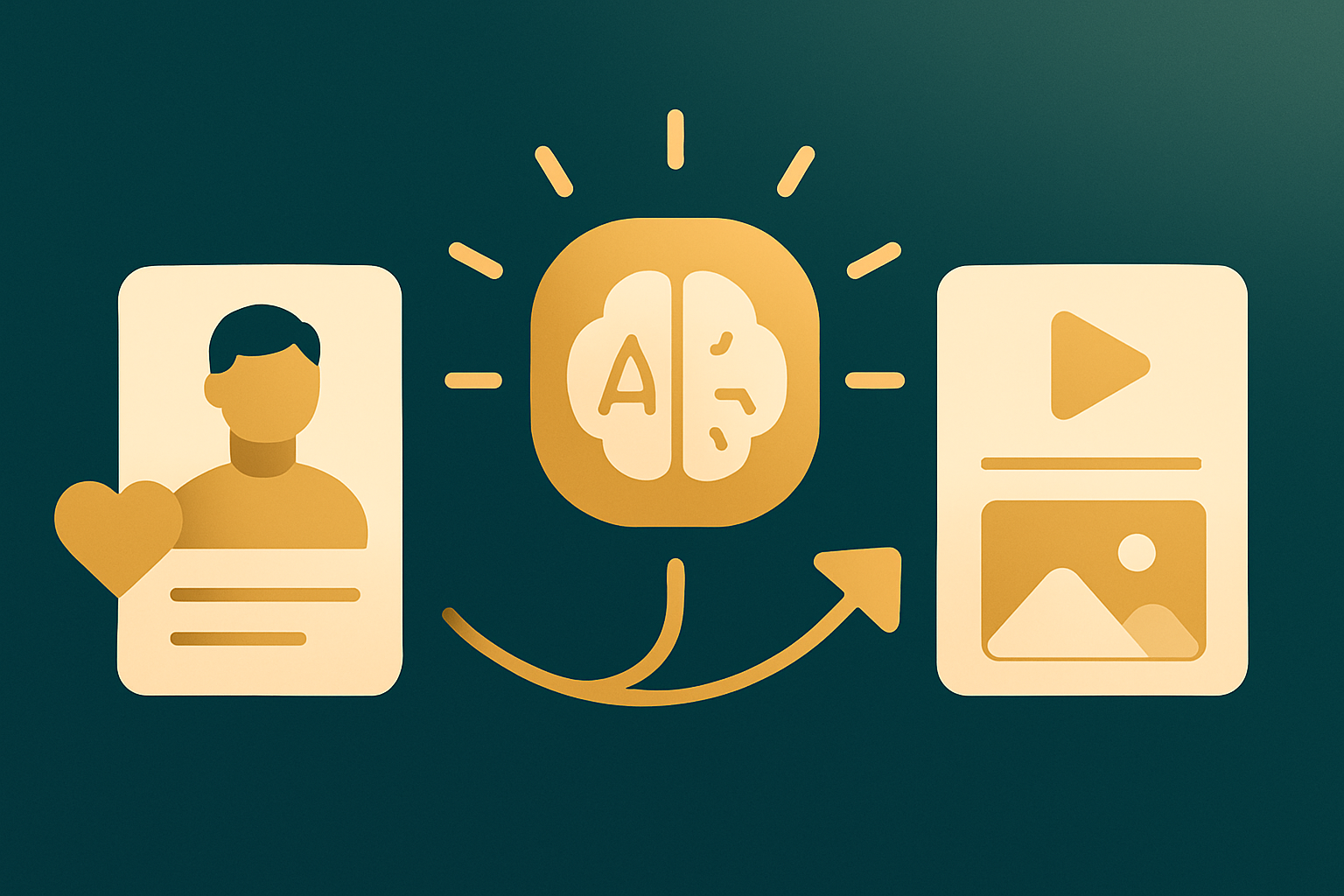
Imagine your customer opening an email, only to find a message crafted just for them. It speaks to their genuine interests, meeting their needs precisely. This isn't a dream. This is what AI tools for content are doing for customer experience personalization. Content creation today isn't just about producing text or videos. It's become an art and a science, relying on understanding the audience and delivering what they want, when they want it, and in the format they prefer. The big challenge is: how do we achieve this level of personalization in this ever-flowing sea of information?
The Importance of Personalizing Customer Experiences
In a market flooded with options and noise, merely having a good product or service isn't enough anymore. Customers are seeking a unique experience where they feel valued and truly understood. Personalizing the customer experience isn't just about changing a customer's name in an email. It's about building a deep relationship based on delivering content that reflects their interests, past behavior, and future expectations. Imagine running a bookstore. Would you send all customers ads for cookbooks when some are avid sci-fi novel readers? Of course not. Personalization here means you know each reader's preferences and offer them exactly what they love. This not only increases purchase opportunities but also fosters loyalty, turning customers into brand ambassadors. From our work with numerous clients, we've observed that companies adopting strong personalization strategies achieve significantly higher returns on investment. The numbers speak for themselves.
How AI Influences Customer Behavior
AI isn't just an analytical tool; it's a powerful engine that changes how customers interact with content. When AI is used, customers see the most relevant content to them, reducing information overload. Has it ever happened to you that you searched for a specific product online, and then ads and articles about it started appearing everywhere? This isn't a coincidence. This is AI at work, analyzing your behavior and preferences. This continuous interaction with personalized content increases customer engagement, makes them spend more time interacting with your brand, and encourages quicker decision-making. Platforms like Netflix and YouTube rely entirely on AI to provide personalized recommendations, making users addicted to content consumption. This directly impacts their purchasing and consumption behavior because they trust recommendations that feel tailor-made for them.
AI Tools for Content Personalization
There's a wide range of AI tools content creators can leverage to personalize the experience. Some focus on data analysis, others on content generation, and a third group on distribution.
- AI-Powered Customer Relationship Management (CRM) Platforms: Platforms like Salesforce and HubSpot use AI to analyze customer data, predict their needs, and personalize interactions. They suggest the best time to send a message or what type of content would be most appealing to a specific customer.
- AI Content Creation Tools: These aren't limited to AI writing tools. They can also generate personalized images, videos, and even graphic designs. Imagine being able to create 100 different versions of a single ad, each targeting a specific segment of your audience.
- Recommendation Engines: These are the backbone of e-commerce platforms and streaming services. They analyze users' past behavior and suggest similar content or products they might like.
- AI Chatbots: They interact with customers instantly, answer their questions, and provide personalized recommendations based on their inquiries. These chatbots save time and give customers the feeling that someone is listening and understanding them.
- Sentiment Analysis Tools: Used to analyze customer text on social media or in comments to understand their feelings towards your brand and products. This helps you adjust your content strategies.
How to Analyze Customer Data Using AI
Customer data analysis is the core of personalization. Without accurate and comprehensive data, personalization becomes mere guesswork. AI makes the analysis process faster, more accurate, and more efficient. The idea isn't just to collect data but to transform it into actionable insights.
- Collect Data from Multiple Sources: Data should be gathered from every customer touchpoint: website visits, social media interactions, purchase history, emails, and even recorded phone calls.
- Clean and Structure Data: AI processes vast amounts of unstructured data, cleans it of impurities, and unifies it for analysis.
- Identify Patterns and Behaviors: This is where the real magic of AI shines. It uncovers complex patterns in customer behavior, such as products they prefer together, the time they are most likely to purchase, or the types of content they engage with most.
- Customer Segmentation: Based on discovered patterns, AI segments customers into highly precise groups. Not just by age or gender, but based on their interests, purchasing behaviors, and even their mood.
- Predict Future Behavior: AI predicts what a customer might do next: Are they about to unsubscribe? Will they be interested in a new product? These predictions enable you to intervene at the right time with the right content.
Effective Strategies for Personalizing Marketing Messages
After analyzing data and understanding customers, the next stage is applying this understanding to personalized marketing messages. Here are some strategies that have proven effective:
- Personalize Emails: Not just by name, but by content. If a customer browsed the men's fashion section, send them emails featuring the latest men's fashion collections. Use AI to generate catchy subject lines and content that aligns with their interests.
- Personalize Website Content: When a customer visits your site, the homepage should dynamically change to suit their interests. Display recently viewed products or articles relevant to their browsing history.
- Dynamic Ads: The content of these ads changes automatically based on user behavior. If a user adds a product to their cart but doesn't complete the purchase, they might see an ad reminding them of the product or offering a small discount.
- Content Recommendations: Like Netflix, offer recommendations for other content they might like based on what they've watched or read before. This increases the time they spend with your brand.
- Use Local Dialects: In the Arab market, AI helps you with writing in Egyptian and Gulf dialects or any other dialect, making the message more relatable to the customer.
- Personalize Push Notifications: Send timely and relevant notifications, such as a reminder about a product on their wishlist or a discount on a preferred category.
Success Stories from the Arab Market
In the Arab market, there are many examples highlighting how AI-powered customer experience personalization can achieve remarkable success. Major e-commerce companies in the region, such as Namshi and Souq.com (before its integration with Amazon), invested heavily in recommendation engines that offer personalized products to customers based on their browsing history and previous purchases. This led to a significant increase in average order value and conversion rates.
A leading telecommunications company in Egypt used AI to analyze its subscribers' data consumption patterns and offer customized internet package deals to each customer. The result was a notable rise in customer satisfaction and a reduction in churn rates. Customers felt the company understood their needs and provided them with suitable solutions.
Similarly, news and entertainment content platforms in the region use AI to personalize the news and articles displayed to users. This increases their engagement and extends their time on the platform. These examples are not just isolated cases; they are proof that personalization is not a luxury but a competitive necessity in today's market.
The Importance of Performance Tracking After Personalization
Implementing personalization strategies doesn't end when campaigns launch. A crucial phase of performance tracking and continuous improvement begins then. Without accurate measurement, you won't know if your efforts are bearing fruit. AI plays a pivotal role here too.
- Open and Click-Through Rates: Do personalized emails achieve higher open and click-through rates? This is a direct indicator of personalization effectiveness.
- Conversion Rates: Do customers interacting with personalized content make more purchases or take desired actions?
- Average Order Value: Does personalization lead customers to buy more products or higher-value items?
- Customer Satisfaction: This can be measured through surveys or sentiment analysis of customer comments.
- Customer Retention Rate: Does personalization contribute to building customer loyalty and making them return repeatedly?
Using AI-powered analytics tools, you can get detailed, real-time reports on these metrics. This allows you to adjust your strategies quickly and effectively.
Practical Steps to Implement AI in Content Personalization
If you're ready to embark on the journey of AI-powered customer experience personalization, here are practical steps to guide you:
- Clearly Define Your Goals: What do you want to achieve with personalization? Increased sales? Improved loyalty? Reduced customer service costs? Defining goals helps you choose the right tools and strategies.
- Start by Collecting Data: First and foremost, ensure you are collecting the right data from every customer touchpoint. The more comprehensive and accurate the data, the better the personalization results.
- Choose the Right AI Tools: You don't need to invest in everything at once. Start with tools that address your most urgent needs, whether for data analysis, content creation, or marketing automation. You can begin with simple tools and then expand.
- Start Small, Then Scale: Don't try to personalize everything simultaneously. Pick a small segment of your audience or one type of content and apply personalization there. Analyze the results, learn from your mistakes, and then gradually expand the scope of personalization.
- Continuously Test and Refine: Personalization isn't a one-time process. It's an ongoing cycle of testing and improvement. Use A/B tests, monitor performance indicators, and adjust your strategies based on what you learn.
- Integrate AI with Human Expertise: AI is a powerful tool, but it doesn't replace human creativity and intuition. Use AI to automate repetitive tasks and provide insights, but leave content creators to craft creative messages that resonate with hearts.
AI-powered customer experience personalization is no longer an option; it's a competitive necessity. Start today by identifying where you can make the biggest difference in your customer's journey, and invest in the tools and processes that enable you to deliver an unforgettable experience.
Related articles

AI Productivity for Content Creators: Maximizing Output and Quality
Discover how AI productivity tools can revolutionize content creation, boosting output and quality without sacrificing human creativity. Learn practical strategies and real-world examples.
Boost Engagement: How AI Transforms Content into Interactive Experiences
Discover how AI is revolutionizing content, transforming passive consumption into dynamic, personalized interactive experiences that boost engagement and drive results.

AI Content Personalization: Reshaping Digital Marketing Engagement
Discover how artificial intelligence is revolutionizing content personalization in digital marketing, creating unique user experiences and driving engagement. Learn AI's role in analyzing behavior, the tools available, and strategies for effective implementation.