
AI-Powered Customer Behavior Analysis: Your Smart Guide to Understanding Your Audience
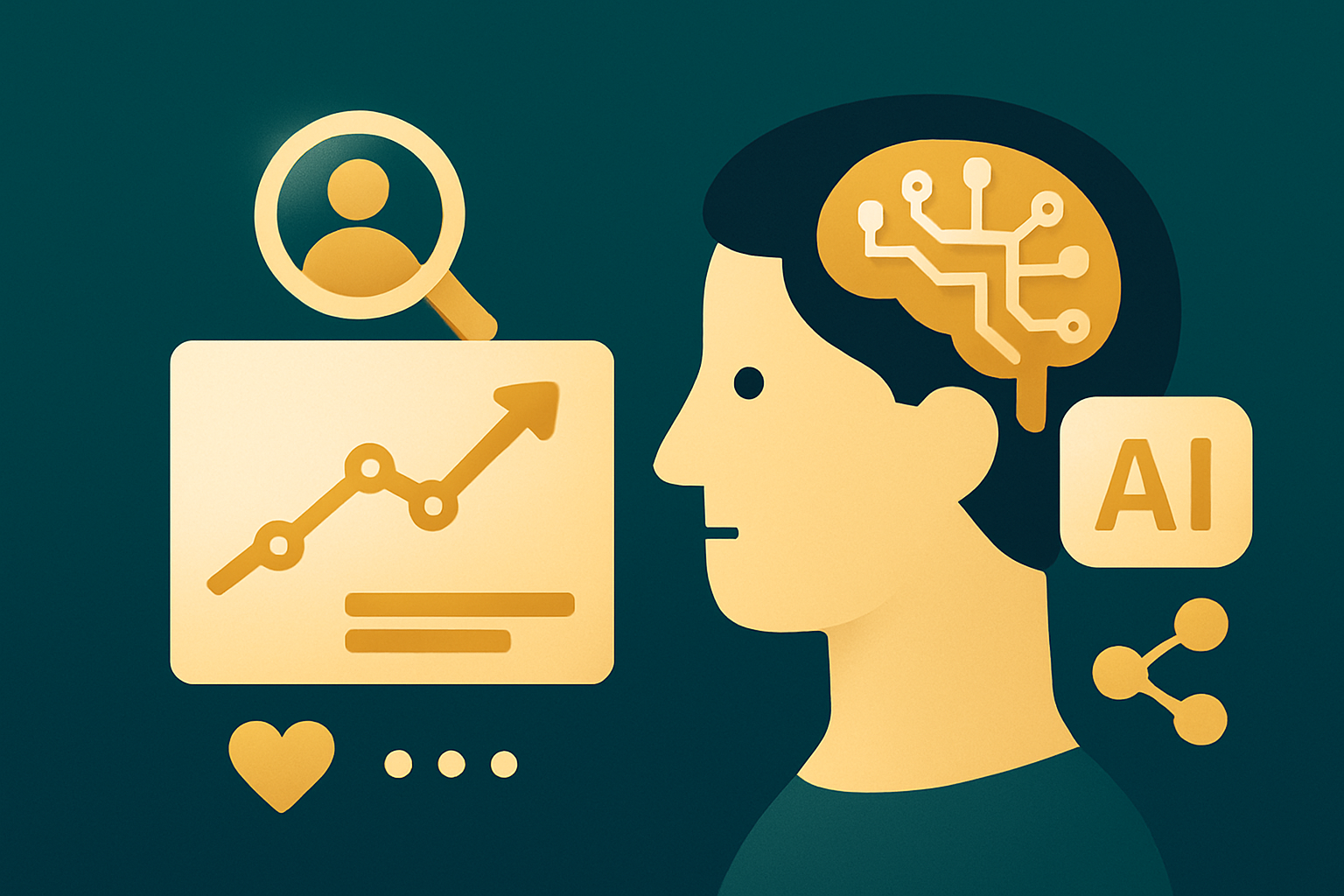
Every day, businesses fight tooth and nail for their share in a relentless market. The secret to winning isn't just a great product, not at all. The real secret is understanding your customer: how they think, what they buy, and when they buy it. This isn't just theory; it's what separates a thriving company from one that fades away. This is where AI-powered customer behavior analysis steps in. If you're still relying on guesswork or outdated analytics, believe me, you're missing out on huge opportunities. Let's see how AI can turn the tables in your favor, keeping you a step ahead of the competition.
The Crucial Role of Customer Behavior Analysis
Imagine owning a clothing store. A customer walks in, and you know exactly what they're looking for before they even speak. You know their size, their favorite color, even if they prefer to pay cash or card. This isn't magic; it's what customer behavior analysis achieves. Simply put, it means collecting data on customer actions, movements, and interactions with your products or services, then analyzing that data to understand what drives them. Why is this so important? Because this deep understanding allows you to make sound decisions about marketing, product development, and even customer service. Without it, you're throwing money and effort into the wind, like shooting in the dark with no target in sight. Businesses that understand their customers succeed in building strong relationships, offering products the market craves, and achieving higher sales. Behavioral analysis provides a real roadmap to your customer's heart and mind.
Decoding Customer Behavior with Data
Data is the fuel that powers the engine of customer understanding. In the past, we relied on surveys and interviews, which were time-consuming, laborious, and often not 100% accurate. Now, with every click, every website visit, every social media interaction, and even every purchase, you're gathering mountains of data. The question is: how do you turn these mountains into useful insights? It starts by identifying the types of data you need. You have demographic data (age, gender, location), behavioral data (purchase history, pages visited, time spent on each page, navigation path within your site), and interaction data (support messages, social media engagement, product reviews). The art is in collecting all this, organizing it, and then using powerful analytical tools to uncover hidden patterns and trends within the data. Once you grasp these patterns, you'll start seeing customer behaviors with extraordinary clarity. You'll know what makes them decide to buy, why they abandon their shopping carts, or even what increases their loyalty to your brand.
AI Tools for Customer Behavior Analysis
Here's where AI steps in as a superhero. Traditional tools might give you numbers, but AI can see the complex relationships between those numbers and extract profound insights. Many tools leverage machine learning and deep learning to analyze vast amounts of data quickly and accurately. For instance, some tools analyze customer language in comments and support messages to understand their emotions (sentiment analysis). Is the customer angry? Happy? Frustrated? This allows you to act proactively. Other tools use recommendation algorithms to suggest products to customers based on their past purchases or behavior, just like Amazon and Netflix do. Furthermore, AI predictive models can forecast what a customer will do next: will they buy again? Will they leave for a competitor? This is pure gold information that lets you target at-risk customers with special offers before they decide to leave. Examples of these tools include Google Analytics (which uses AI to analyze visitor patterns and provide smart reports), Salesforce Einstein (offering predictive customer analytics), and IBM Watson (delving into text and image analysis for behavioral insights). These all provide advanced solutions for data analysis and behavioral prediction, saving you significant time and effort.
Practical Applications of AI in Customer Behavior Analysis
Okay, all this is theoretical; how do we apply it in the real world? The applications are numerous and varied. You can use AI to:
- Personalize the customer experience: When your customer visits your site, AI can display products and offers tailored to their interests and past behavior. This makes the entire visit personalized, as if the store was made just for them, significantly boosting purchase chances and customer satisfaction.
- Predict future needs: Imagine you sell office supplies. AI can predict when a customer will run out of ink and notify you in advance to send them a refill offer or reminder. This creates a smooth and convenient customer experience.
- Optimize marketing campaigns: Instead of sending the same email to everyone, AI can segment customers into groups based on their behaviors. This allows you to send each segment a specially designed marketing message, dramatically increasing open and click-through rates and reducing wasted marketing budget.
- Detect fraud: In financial sectors, AI can analyze transaction patterns and detect any abnormal behavior that might indicate fraud. This protects customer funds and maintains the institution's reputation.
- Improve customer service: AI-powered chatbots can answer common customer inquiries, provide immediate solutions, and escalate complex queries to human support staff. This reduces wait times, increases customer satisfaction, and saves the company massive operational costs.
- Product and service development: By analyzing customer behavior, you can discover market gaps or unmet needs. AI helps you understand which features customers use most and which they ignore, guiding your product development process to be more market-relevant.
Refining Your Marketing Strategy with AI Insights
The biggest benefit of AI-powered customer behavior analysis is that it builds your marketing strategies on facts and figures, not just assumptions. When you know that a certain segment of your customers cares more about discounts than quality, and another segment the opposite, you can tailor your marketing message correctly. AI helps you identify the best marketing channels for each segment. For example, if you know young people use Instagram more, you'll focus your ads there. If older demographics prefer Facebook, your campaigns will be stronger there. This significantly saves on marketing budget, making every dollar you spend yield a greater return. Think of it as using AI to write ready-to-use prompts for social contentbut on a deeper level, targeted specifically at an individual based on their behavior. It also helps you determine optimal times to launch marketing campaigns and the best types of content each customer interacts with, whether it's video, an article, or an interactive post.
Predicting Customer Behavior and Delivering Recommendations
One of the most fascinating uses of AI in customer analysis is its predictive capability. It doesn't just analyze the past; it attempts to paint a picture of the future. Using machine learning algorithms, you can predict the likelihood of a specific customer buying a new product or canceling their subscription. This allows you to retain a customer before they churn or offer them the right product at the right time. For example, if you have an online store for baby products, AI might predict when a particular customer will have a new baby based on their past maternity wear purchases, and start suggesting newborn-related products. This creates a very personal relationship with the customer, making them feel understood and valued. The recommendation systems you see everywhere now, from YouTube to Netflix to Amazon, are all built on AI that analyzes your behavior and knows what you might like next. This predictive power opens entirely new doors for targeted marketing and unparalleled customer experience enhancement.
Success Stories: Companies Leveraging AI
Many global companies have pioneered in this field and achieved remarkable success. Amazon, for example, doesn't just sell products; it uses AI to analyze every click and every search a customer makes, using this information to suggest other products they might like. This drastically increases purchase rates and keeps customers on the platform longer. Netflix also uses AI to analyze your viewing habits and predict what movies and series you'll enjoy, which keeps you subscribed and watching for hours. In the banking sector, institutions like JPMorgan Chase use AI to analyze customer behavior to detect fraud with extraordinary speed, protecting customer funds and the bank itself from billions in losses. In Egypt and the Arab region, telecom companies and banks have started implementing similar solutions to improve their offers, personalize customer experiences, and combat fraud. These examples demonstrate that AI isn't just a luxury; it's a necessity for businesses that want to remain competitive and grow in a constantly changing market.
Navigating the Challenges of AI Implementation
It's not all sunshine and rainbows, of course; there are challenges you need to be prepared for. The first challenge is data quality. If the data you feed into the AI is inaccurate or incomplete, the results will be incorrect and misleading. It's like the famous saying: 'Garbage in, garbage out.' You must invest in mechanisms for collecting clean, organized data. Another challenge is privacy. Customers are concerned about their data, so you must be transparent with them about how you collect and use their information, adhering to data protection laws like GDPR in Europe or similar local regulations. Building customer trust is fundamental to a lasting relationship. Also, the initial cost of implementing AI systems can be high, especially for small and medium-sized businesses, as it requires investment in infrastructure and specialized software. Finally, a lack of expertise. Finding people who understand AI and data analysis is a challenge in itself, as the market is still new and the number of experts is few. This leads companies to invest in training their staff or engaging external experts. However, with rapid technological advancements, these challenges diminish over time, and more flexible, cost-effective solutions emerge.
Practical Steps to Begin Customer Behavior Analysis
So, how do you start? It doesn't require a revolution; you can begin with simple, smart steps:
- Clearly define your goals: What do you want to understand about your customers? Do you want to increase sales? Improve customer satisfaction? Reduce churn rate? Enhance a specific product? Defining your goals will help you focus your efforts correctly.
- Gather available data: Start with the data you already have from your website, CRM system, social media pages, and sales records. You can use tools like Google Analytics and Facebook Pixel to collect valuable behavioral data.
- Invest in data analysis tools: You don't have to start with the most expensive tools. Many affordable solutions are suitable for small and medium-sized businesses, and even open-source options exist. The key is that the tool fits your data volume and objectives.
- Start with simple analysis: You can begin by analyzing customer behavior on your website. See which pages they visit most, which products they buy, and their customer journey path on your site. Every small piece of information makes a difference.
- Develop your team: You can hire data analysis and AI specialists, or train your current team on the basics of data analysis and how to use available tools. Investing in human capital is as important as investing in technology.
- Implement results and measure impact: After drawing conclusions from your analysis, apply them in your marketing strategies, product improvements, or even customer service. Then measure the impact to see if there's an improvement. This measurement and adjustment process is continuous to achieve the best results.
Remember, it's all a journey, and continuous learning is key. AI in content creation or customer behavior analysis isn't magic, but it provides powerful tools for those who know how to use them correctly and translate insights derived from data into practical steps that make a real difference. Start with small steps and see the difference it makes in your business.
Ultimately, understanding your customer is the most important investment you can make in your business. AI isn't just a fleeting technology; it's a powerful tool that allows you to see the full picture of your customers' behavior and make decisions based on precise knowledge and clear insights, not just intuition. Start today by implementing one of these steps and watch how it changes your business trajectory for the better, opening new doors for growth and innovation.
Related articles
AI Productivity for Content Creators: Maximizing Output and Quality
Discover how AI productivity tools can revolutionize content creation, boosting output and quality without sacrificing human creativity. Learn practical strategies and real-world examples.
Boost Engagement: How AI Transforms Content into Interactive Experiences
Discover how AI is revolutionizing content, transforming passive consumption into dynamic, personalized interactive experiences that boost engagement and drive results.

AI Content Personalization: Reshaping Digital Marketing Engagement
Discover how artificial intelligence is revolutionizing content personalization in digital marketing, creating unique user experiences and driving engagement. Learn AI's role in analyzing behavior, the tools available, and strategies for effective implementation.