
Mastering Your Audience: Leveraging Advanced Analytics Tools
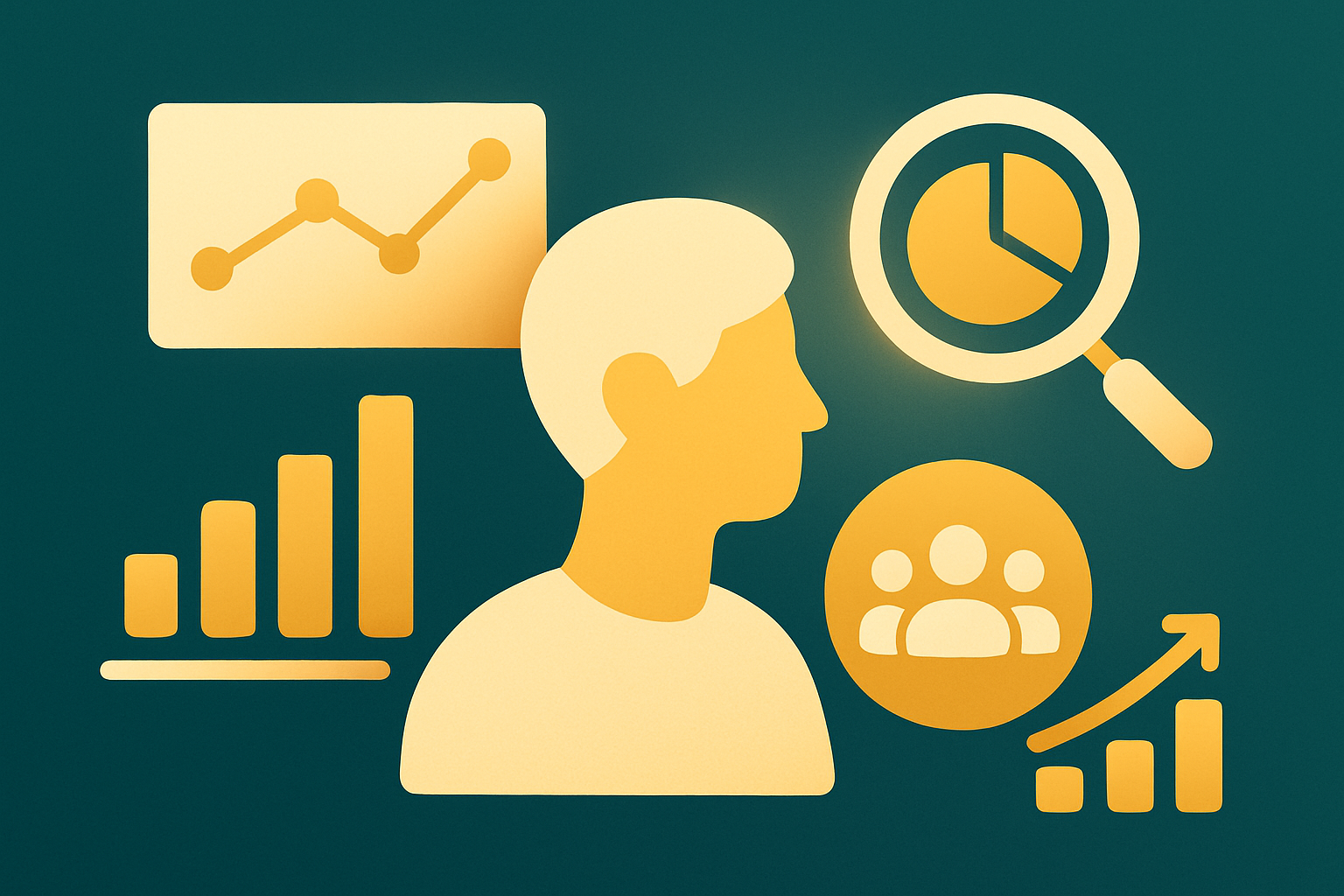
Do your marketing messages sometimes feel like they're missing the mark? Does it seem like your audience just isn't connecting? Many marketers share this frustration. Often, the issue isn't the product itself, but a lack of deep understanding about who you're trying to reach. Imagine trying to sell air conditioners in the Arctic. Simply put, you might not be speaking to the right audience, using their language, or offering what they truly need. This is where audience analytics tools come in: they transform guesswork into science, giving you the power to see beyond screens and truly understand who your customers are and what drives them.
The Indispensable Role of Audience Understanding in Marketing
Understanding your audience forms the bedrock of any successful marketing strategy. Without it, you're essentially firing arrows in the dark, spending significant budgets on campaigns that might yield little return. When you pinpoint your ideal customer, you can design products and services that precisely meet their needs. You can select the marketing channels they frequent most and craft messages that resonate emotionally, prompting them to purchase. This goes beyond mere demographic data, extending to comprehending behaviors, interests, challenges, and even the values your customer holds. For instance, if you're targeting young adults in Egypt, you'd know that incorporating trending TikTok phrases or focusing on issues important to them, like sustainability or entrepreneurship, would make your message far more impactful than using traditional, stale marketing language.
What Are Audience Analytics Tools?
Audience analytics tools are software and platforms designed to help you collect and analyze data about your target audience. These tools range from straightforward to highly sophisticated, offering profound insights into who interacts with your brand and how they do so. For example, Google Analytics isn't just a visitor tracking tool; it's a treasure trove of information about their age, interests, geographical locations, and even the devices they use. Social media tools, such as Facebook Insights or X (formerly Twitter) Analytics, provide a glimpse into your followers, their active times, and the types of content they prefer. There are also specialized tools for analyzing user behavior on your website, like Hotjar, which shows you where visitors click, where they stop browsing, and which parts of your page capture their attention most. Collectively, these tools paint a clear picture of your audience, helping you make marketing decisions based on facts, not just assumptions.
Extracting Data with Analytics Tools
Extracting data isn't just about pressing a button. It demands an understanding of precisely what you're seeking. Start by defining your objectives: Do you want to know who visits your website? Are you aiming to understand the best times to post on social media? Are you looking for specific purchasing behaviors? Once your goal is clear, you can select the appropriate tool. For instance, to explore visitor data on your website, head to Google Analytics. Focus on the Audience Reports, where you'll find demographic and geographic information, as well as interests. To track the performance of your paid campaigns, use advertising dashboards like Google Ads or Facebook Ads Manager. These tools don't just show overall performance; they break down data by age group, gender, and geographical region. Don't settle for raw data alone; try to connect the dots. Is there a correlation between visitors from specific ads and their purchasing behavior on your site? Do visitors from a particular region engage more with certain content? These connections provide true insights.
Analyzing Data to Understand Consumer Behavior
After data collection, the most crucial step follows: analysis. This is where numbers transform into narratives. Look for recurring patterns. Is a specific age group spending more time on your website? Does your audience prefer watching videos or reading articles? Do they engage more with interactive content or educational material? Analyzing consumer behavior involves examining the entire customer journey, from the first touchpoint to purchase, and even beyond. Utilize customer journey tracking tools to understand where friction points occur and where customers lose interest. For example, if you notice many visitors abandoning their shopping carts before completing a purchase, it signals an issue that needs resolution, perhaps with the payment process or shipping costs. Don't ignore negative data; instead, view it as an opportunity for improvement. Remember, every click, every visit, every like, tells a story about your customer.
Tailoring Marketing Campaigns Based on Analysis
The ultimate goal of all this analysis is to customize your marketing campaigns for greater effectiveness. When you deeply understand your audience, you can create targeted marketing messages for each segment. If you know a particular segment prefers visual content, provide them with short, engaging videos. If another segment is price-sensitive, focus on offers and discounts. This personalization isn't limited to content; it extends to marketing channels as well. Does your target audience spend most of their time on Instagram? Concentrate your advertising efforts there. Are they more active on LinkedIn? Dedicate professional content and in-depth articles to them. Tailoring campaigns increases response rates, reduces acquisition costs, and builds stronger brand loyalty. Imagine you're a restaurant, and instead of sending the same offers to everyone, you send a special offer for vegetarian meals to those who seek them out, and another offer for meat dishes to those who prefer them. The difference is clear, isn't it?
Success Stories from the MENA Market
In the Arab market, numerous companies have successfully understood their audience and tailored their campaigns. Careem, in its early days, didn't just offer a ride-hailing service; it grasped the transportation challenges in the region, provided diverse payment options, and supported local drivers, which brought it closer to the public. In e-commerce, many major retailers like Namshi use analytics tools to personalize the shopping experience for each user, by displaying products similar to what the customer has viewed or offering recommendations based on previous purchases. Even blogs and news sites, such as Al Jazeera Net, use analytics to understand the most-read articles and peak times, allowing them to customize the content published and its timing, ensuring it reaches the largest number of readers. All these examples underscore that a deep understanding of the audience is key to growth and success in any market, especially in our diverse Arab market.
Common Pitfalls to Avoid When Using Analytics Tools
Despite the numerous benefits offered by analytics tools, common mistakes can cost you significant effort and money. The first pitfall is collecting data without a clear objective. Gathering everything available won't help; it will only distract you. Focus on the data that serves your specific marketing goals. The second mistake is not continuously updating your data. Consumer behavior changes, and trends shift, so your analyses must be ongoing, not a one-time event. The third error is ignoring quantitative data and focusing solely on qualitative, or vice versa. Numerical data (how many visits?) should complement behavioral data (why did the visitor leave?). The fourth mistake is failing to integrate data from different sources. Don't rely on just one tool; try to link data from Google Analytics with social media data and Customer Relationship Management (CRM) tools to get a comprehensive picture. Finally, avoid jumping to conclusions without testing. Any insight you derive should be tested with small campaigns before widespread implementation.
Best Practices for Maximizing Analytics Tool Benefits
To get the most out of your audience analytics tools, follow these practices. First, define clear, measurable (SMART) goals before you begin your analysis. What exactly do you aim to achieve? Second, invest in training to understand how to use complex tools. Many tools offer free or paid training courses. Third, don't be afraid to experiment and conduct A/B testing. Try different messages, designs, and posting times, then measure the results to see what works best for your audience. Fourth, review your data regularly, at least monthly, to track changes and new patterns. Fifth, use data visualization to simplify complex data and make it understandable for your team. Sixth, don't forget the human element. Tools give you numbers, but understanding motivations and emotions also requires listening directly to your customers through surveys or interviews. Remember our article on Digital Marketing for Small Businesseswhere we emphasized the importance of understanding the customer as a top priority before any marketing step.
Understanding your audience isn't a luxury; it's a critical necessity for your business's survival and growth in this competitive market. Start today by applying what you've learned, pick one tool, and begin delving into your customer data. You'll be amazed at what you discover and how these insights can completely transform the trajectory of your marketing campaigns for the better.
Related articles

Level Up Your Brand: Innovative In-Game Marketing Strategies for 2024
Discover how in-game marketing has evolved beyond traditional ads into immersive brand experiences. This guide explores strategies, market insights, and future trends for brands looking to connect with gamers effectively in 2024, especially within the Arab world.
Hook Your Audience: Crafting Irresistible Content from the First Second
Discover how to captivate your audience from the very first second with engaging content strategies. Learn to craft compelling titles, use visuals effectively, employ storytelling, and leverage interactive elements to make your content irresistible.
Micro-Influencers: Your Budget-Friendly Path to Marketing Success
Discover how micro-influencer marketing can transform your brand's reach and engagement, even with a limited budget. Learn to identify the right influencers, craft effective campaigns, and measure your success for lasting impact.